Home / Health / Preventing Diabetes Before Birth: India's New Strategy
Preventing Diabetes Before Birth: India's New Strategy
6 Mar
Summary
- Early gestational diabetes screening can prevent lifelong health issues.
- Foetal programming links maternal high blood sugar to child's future diabetes.
- First-trimester screening by week 8 offers a crucial intervention window.
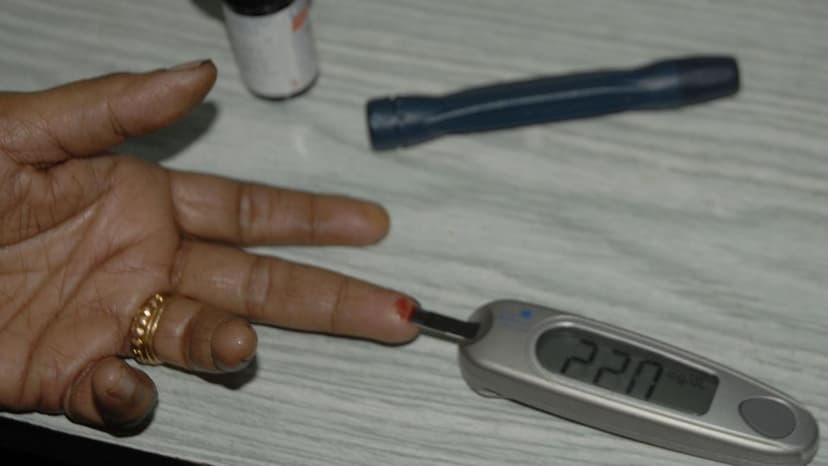
India is grappling with one of the world's highest rates of diabetes, with millions affected by the condition and its precursor, prediabetes. Emerging research indicates that the most effective strategies for diabetes prevention may begin in the earliest weeks of pregnancy. Gestational Diabetes Mellitus (GDM), affecting nearly one in five pregnancies globally, has lasting implications. Foetal programming suggests that a mother's high blood sugar can permanently alter a child's physiology, predisposing them to diabetes later in life.
New evidence highlights the importance of first-trimester screening for gestational diabetes. Current screening typically occurs in the second trimester, by which time foetal programming may have already begun. A shift to screening by the 8th week of gestation is recommended. A simple postprandial blood glucose test can identify early signs, allowing a two-week window for intervention through medical nutrition therapy or lifestyle changes before critical developmental milestones are reached.
Multicentre studies in India have supported the efficacy of first-trimester identification of elevated glucose levels in reducing overt GDM. Implementing universal early pregnancy glucose screening, alongside preconception counselling and early antenatal registration, could be a transformative public health policy. Such a proactive approach promises to reduce future diabetes prevalence, cardiovascular disease, and healthcare expenditure, contributing to India's developmental goals.