
Home / Health / India's Youngest Brains: Investing in Early Development
India's Youngest Brains: Investing in Early Development
2 May
Summary
- Early childhood development yields high economic returns.
- Nutrition, health, and care shape the developing brain.
- Anganwadi network plays a key role in service delivery.
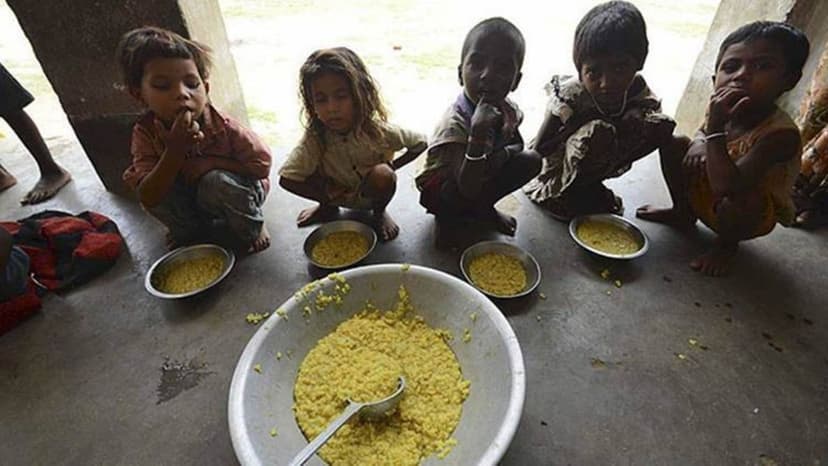
India's focus on improving nutrition for women and children during POSHAN Pakhwada underscores the critical need for early childhood development. Evidence shows that investing in a child's first few years yields substantial economic benefits. Neuroscience confirms this period as a unique window for shaping the brain through nutrition, health, and responsive care.
While India has made policy commitments like the National Food Security Act and the National Education Policy recognizing early childhood education, national surveys still indicate persistent challenges in child nutrition and learning. The existing anganwadi system provides essential services, but a lack of coordination between health, nutrition, and early learning sectors creates gaps, especially for children of working families.
To enhance early brain development, India can implement practical administrative priorities. This includes integrating responsive caregiving into existing frontline platforms like anganwadis and primary health services. Additionally, linking childcare with livelihood programs and enabling private sector participation can address caregiving challenges for informal workers.
Strengthening program reviews by tracking child development indicators alongside service delivery is also vital. This approach ensures that progress goes beyond mere statistics of services provided to actual developmental outcomes, contributing to inclusive growth and the vision of Viksit Bharat 2047.
