Home / Health / TB Stigma Shatters Lives: India's Women Face Deep Discrimination
TB Stigma Shatters Lives: India's Women Face Deep Discrimination
20 Mar
Summary
- Women survivors of TB face profound stigma and social isolation.
- India has the world's highest tuberculosis burden with 2.7 million new cases.
- Gender disparities lead to delayed diagnosis and abandonment for female patients.

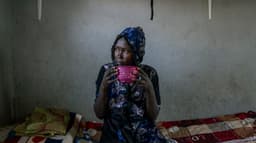
India faces the world's highest tuberculosis burden, with an estimated 2.7 million new infections and over 3 lakh deaths in 2024. For women in India, a TB diagnosis often results in life-altering discrimination and social stigma, profoundly impacting their lives. For instance, Rekha, diagnosed in 2020, found her friends abandoned her, and relatives vanished, leading her to decide against marriage.
While men account for a larger percentage of TB cases, women consistently face severe societal repercussions. Health activist Blessina Kumar notes that even educated, financially independent women can be abandoned by spouses and struggle to continue their studies or careers after diagnosis. This reality brings forth critical questions about women's human rights, decision-making power, and access to resources like adequate nutrition and healthcare.
Misdiagnosis and delayed treatment are critical issues for women, who may present atypical symptoms like fever and fatigue, unlike the classic TB markers. The WHO's 2025 Global TB Report indicates women are more likely to be diagnosed clinically rather than bacteriologically, widening diagnostic gaps. This is compounded by the higher prevalence of extrapulmonary TB, including genital TB, which presents non-specific symptoms.
Women's autonomy and access to healthcare are further restricted by societal norms and economic precarity. Undernutrition, a leading comorbidity for TB patients in India, disproportionately affects women due to gender disparities in food security and higher nutritional needs. Prioritizing women's health through a comprehensive approach is crucial for combating TB and ensuring future generations' well-being.