Home / Health / India's Snakebite Crisis: Millions at Risk
India's Snakebite Crisis: Millions at Risk
2 Feb
Summary
- Half of global snakebite deaths occur in India annually.
- 99% of Indian healthcare workers face antivenom administration challenges.
- India aims to halve snakebite deaths by 2030 via a national action plan.
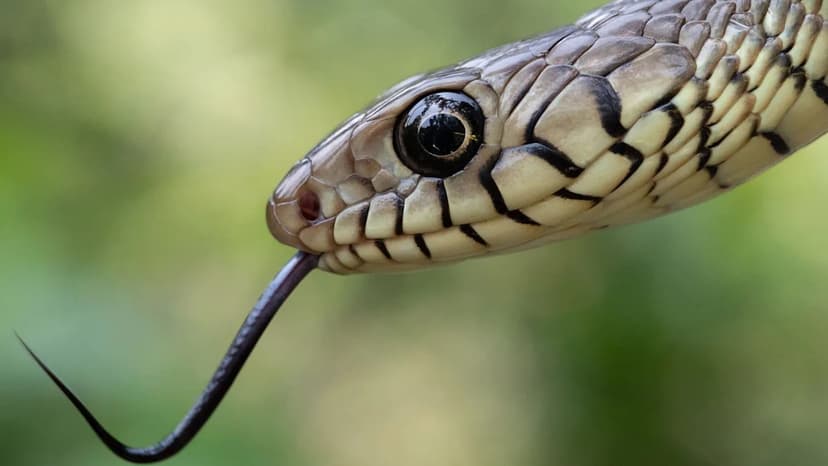
India confronts a critical snakebite epidemic, with an estimated 50,000 deaths annually, representing half of the global toll. A recent report highlighted that 99% of Indian healthcare workers encounter obstacles in administering antivenom, a vital treatment for venomous bites. These challenges include inadequate infrastructure, scarce antivenom supplies, and insufficient training, leading to severe patient complications like amputations.
The World Health Organization has recognized snakebite envenoming as a high-priority neglected tropical disease, disproportionately affecting poor rural communities. In India, central and eastern regions are particularly affected, with farmworkers and tribal communities being most vulnerable. Despite the launch of the National Action Plan for Prevention and Control of Snakebite Envenoming (NAPSE) in 2024, aiming to reduce deaths by 2030, implementation remains inconsistent, with snakebites often overlooked.
Timely treatment is hampered by poor rural infrastructure, including long distances to hospitals and a lack of emergency services. Furthermore, reliance on traditional healers and delayed hospital visits exacerbate the problem. A significant hurdle is the limited availability of high-quality antivenom, which currently only covers the "big four" snake species, leaving many victims without targeted treatment for bites from other venomous snakes.
To combat under-reporting, Karnataka state has made snakebites a notifiable disease. Experts emphasize the need for greater political will and investment to ensure equitable healthcare access for snakebite victims, stressing that these deaths are preventable with adequate resources and timely interventions.