Home / Health / Winter Dryness? Humidifiers Explained
Winter Dryness? Humidifiers Explained
14 Dec
Summary
- Humidifiers combat winter dryness by adding moisture to indoor air.
- Both warm- and cool-mist humidifiers raise humidity levels effectively.
- Regular cleaning is crucial to prevent mold and bacteria growth.
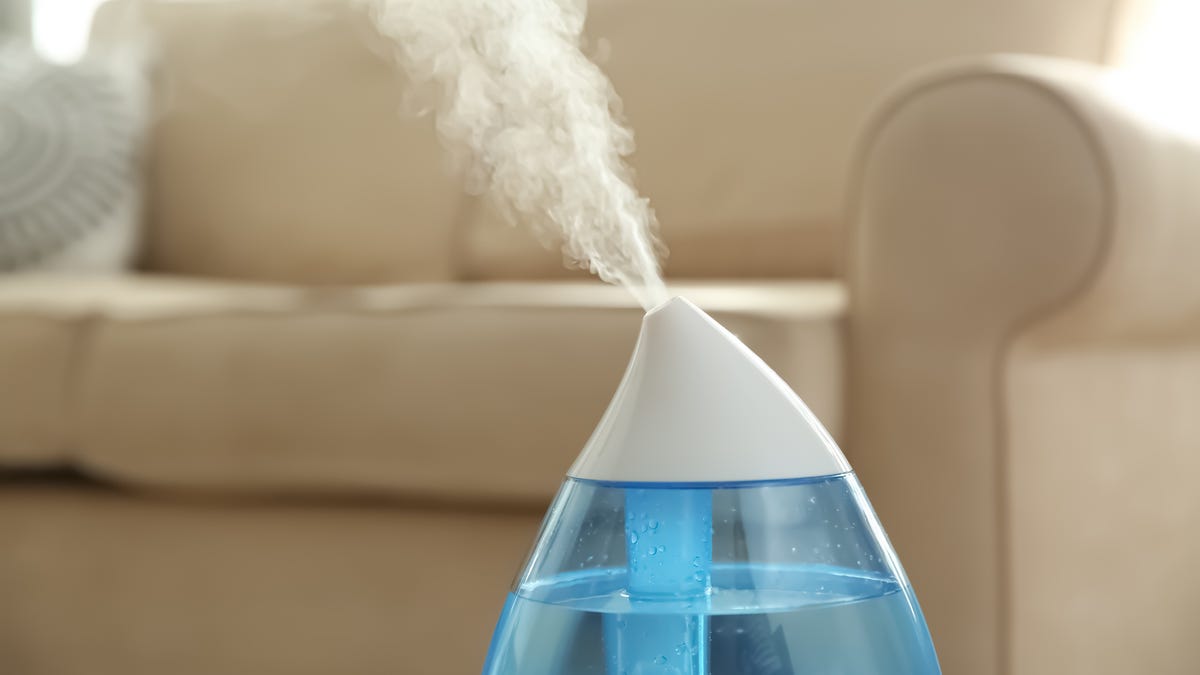
Winter months often bring dry indoor air due to heating systems and cold outside temperatures. Humidifiers combat this by releasing moisture, which helps alleviate symptoms like dry throats, irritated nasal passages, and cracked skin. The optimal indoor humidity range is generally between 30% and 50%.
Two main types exist: warm-mist and cool-mist. Warm-mist models boil water to create steam, while cool-mist units use fans or ultrasonic technology. While both effectively increase humidity, cool-mist humidifiers are often recommended for cold symptoms as they can help reduce nasal swelling and improve airflow. Warm-mist models are not advised for children's rooms due to a burn risk.
Regardless of type, regular cleaning is vital. Stagnant water in humidifiers can become a breeding ground for mold, bacteria, and fungi. These contaminants can irritate the lungs or worsen allergies and asthma if released into the air. Cleaning involves regularly emptying, rinsing, and wiping down the unit, along with changing filters as recommended by the manufacturer.