Home / Health / HPV Vaccine: 80% Cervical Cancer Risk Drop
HPV Vaccine: 80% Cervical Cancer Risk Drop
3 Dec
Summary
- HPV vaccine reduces cervical cancer risk by 80% in girls vaccinated before 16.
- Large reviews found no association between vaccine and infertility or chronic fatigue.
- Australian data shows zero new cervical cancer cases in women under 25 in 2021.
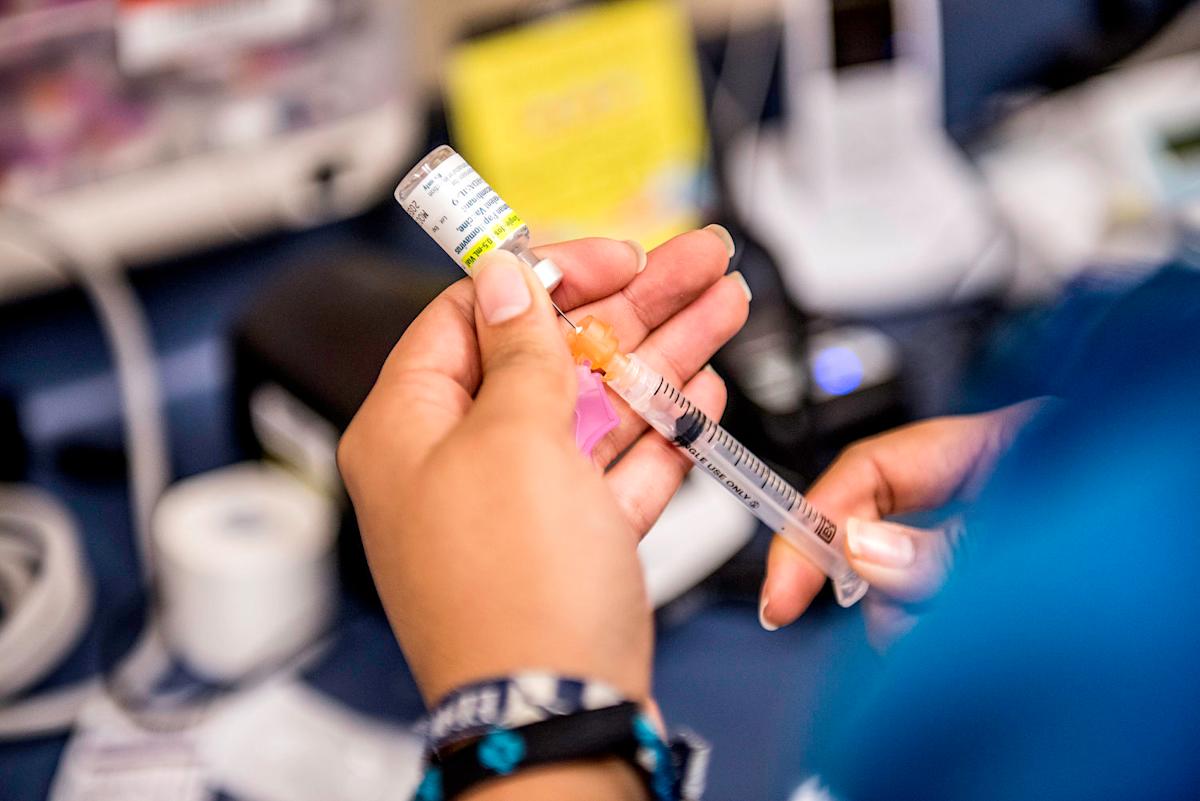
Extensive reviews encompassing nearly 60 clinical trials and over 132 million individuals have affirmed the safety and effectiveness of the HPV vaccine. Research indicates that vaccination before age 16 dramatically lowers cervical cancer risk by 80%. These comprehensive analyses, conducted by the Cochrane Review team, also addressed and refuted prevalent safety concerns, such as links to infertility and chronic fatigue syndrome, finding no evidence to support these claims. Serious adverse health outcomes were found to be rare and comparable between vaccinated and placebo groups.
Supporting these findings, real-world data from Australia revealed no new cervical cancer cases in women under 25 in 2021, a milestone attributed to widespread HPV vaccination. Similarly, Scotland reported no new cervical cancer cases among women fully vaccinated in their youth. These outcomes underscore the vaccine's profound impact on public health and disease prevention.
The Centers for Disease Control and Prevention recommends HPV vaccination for boys and girls aged 11 to 12, with eligibility extended up to age 45. The vaccine protects against nine cancer-causing HPV strains, which can lead to various cancers in both men and women. Despite these strong scientific endorsements, anxieties surrounding the vaccine have persisted for two decades, impacting vaccination rates.