Home / Health / HPV vaccine: Why boys need protection from cancer
HPV vaccine: Why boys need protection from cancer
9 Mar
Summary
- HPV is gender-agnostic, affecting men and women equally.
- Over 50 countries now include boys in national HPV vaccination.
- Vaccinating boys aids herd immunity and prevents cancers.

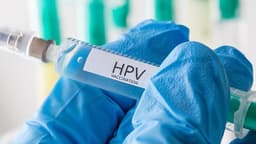
The Human Papilloma Virus (HPV) vaccine, currently free for 14-year-old girls in India, offers significant protection for boys as well. HPV is gender-agnostic, causing not only 99% of cervical cancers but also a substantial percentage of genital warts, penile, anal, and throat cancers. As of early 2026, more than 50 countries, including Australia, the US, and the UK, have expanded their national HPV vaccination programs to include boys to foster herd immunity and prevent various cancers.
A study published in The Lancet Global Health in September 2023 revealed that at least one in three men over 15 are infected with genital HPV, with one in five carrying high-risk strains. This prevalence is higher in men than women across most age groups, and due to the lack of routine screenings, men often unknowingly harbor the virus for decades.
Vaccinating boys before exposure, ideally between ages nine and 14, provides lifelong protection. This gender-neutral approach breaks the HPV transmission chain, significantly reducing cancer cases in women. The UK expanded its program to include boys in 2019, while Australia aims to eliminate cervical cancer by 2035, a feat attributed to vaccinating boys.
While the ideal vaccination window is nine to 14, the vaccine is recommended for men up to age 26 and even up to 45 after medical consultation. Vaccines like Gardasil-4 and Gardasil-9 can protect against various HPV strains, preventing genital warts and cancers.