Home / Health / Ransomware Hits Healthcare: Care Disrupted
Ransomware Hits Healthcare: Care Disrupted
20 Mar
Summary
- Cyberattacks on hospitals now pose a public safety risk.
- AI amplifies social engineering for easier impersonation.
- Stolen medical data is valuable and hard to replace.
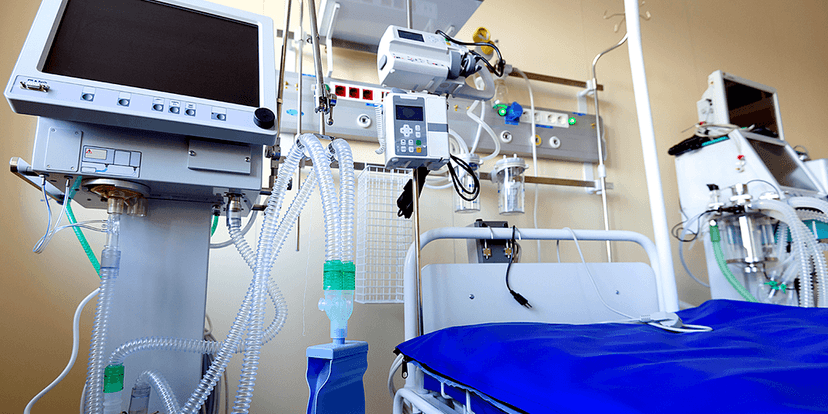
Hospitals are increasingly vulnerable to cyberattacks, with ransomware incidents causing widespread disruption to patient care. The University of Mississippi Medical Center recently experienced such an attack, leading to clinic closures, canceled procedures, and a loss of access to electronic medical records. This highlights how cybersecurity breaches in healthcare are no longer just IT problems but significant public safety concerns.
Experts note that hospitals are prime targets because they hold highly sensitive data and face immense pressure to restore systems rapidly. Artificial intelligence is exacerbating this threat by enabling sophisticated social engineering attacks, such as voice cloning and deepfake videos, making it easier for criminals to impersonate trusted individuals and bypass traditional security measures.
Compounding the risk are legacy systems and a complex vendor ecosystem, where a single vulnerability can compromise the entire network. The pressure on healthcare professionals to prioritize patient care over cybersecurity creates additional opportunities for attackers. The stolen data, including medical histories and personal information, is highly valuable for identity and insurance fraud, with medical identities being particularly difficult to replace.
To combat these threats, experts emphasize robust identity verification, multi-factor authentication, and systems capable of detecting impersonation. Patients affected by breaches are advised to monitor their records, change passwords, and enroll in identity monitoring services. Building operational resilience is crucial for hospitals to ensure continuous and safe patient care in the face of evolving cyber threats.