Home / Health / HIV: The Emperor Virus That Still Resists Cure
HIV: The Emperor Virus That Still Resists Cure
1 Dec
Summary
- HIV integrates into host DNA, becoming virtually indistinguishable from human cells.
- The virus can enter a dormant state, hiding from the immune system.
- Despite decades of research, no effective vaccine or cure exists for HIV.
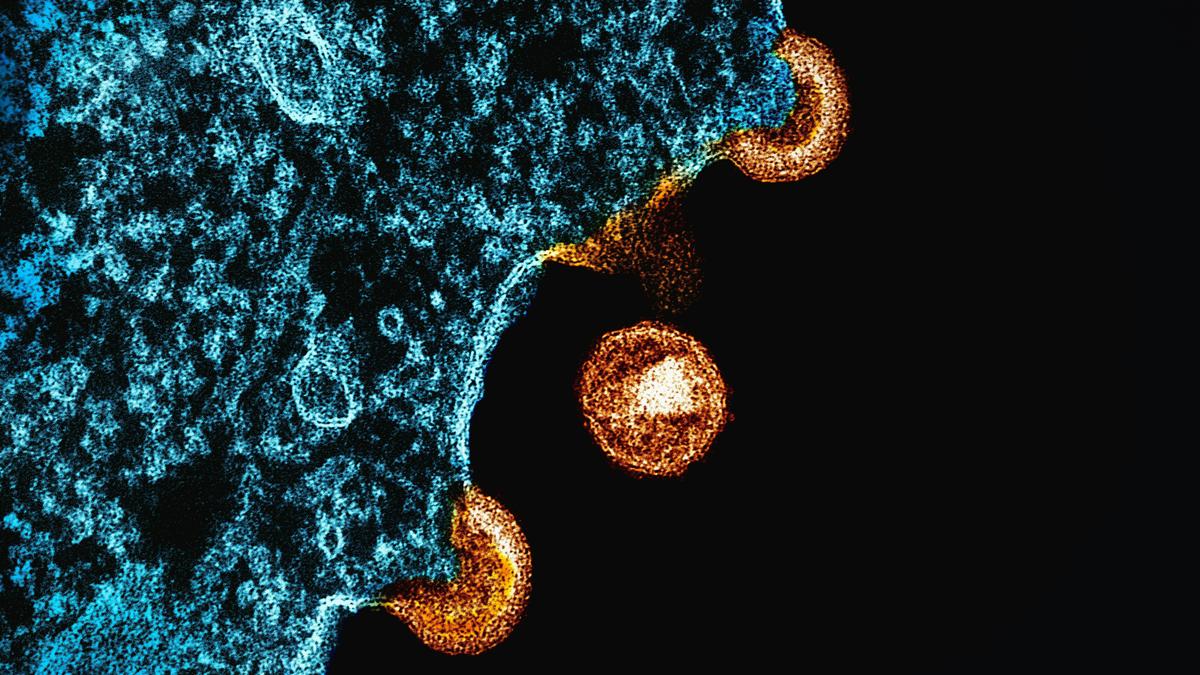
Discovered in 1983, the human immunodeficiency virus (HIV) has presented an unprecedented challenge to medical science. Its unique ability to convert its RNA into DNA and integrate this genetic material into the host's genome makes it a permanent part of infected individuals. This integration, coupled with its capacity to enter dormant states of viral latency, allows HIV to evade immune detection and therapeutic interventions.
Despite extensive global efforts and investment, a vaccine for HIV has yet to be developed, and a cure remains largely out of reach. Antiretroviral therapies are effective at preventing viral replication and transmission, transforming HIV from a death sentence into a manageable chronic condition. However, these treatments do not clear the latent viral reservoirs, necessitating lifelong adherence and posing risks of drug resistance and side effects.
This enduring resilience makes HIV one of humanity's most complex pathogens. While advancements in public health, increased awareness, and wider treatment access have led to falling infection rates globally, the fight for a complete eradication continues. The virus's extraordinary adaptability forces a constant reevaluation of scientific strategies, underscoring the unique nature of this ongoing global health battle.