Home / Health / Hirsutism Battle: Woman's Fight Against Hormonal Hair Growth
Hirsutism Battle: Woman's Fight Against Hormonal Hair Growth
5 Apr
Summary
- Hirsutism, a hormonal disorder, causes excess hair growth in women.
- PCOS is a common cause, impacting millions of women in the UK.
- Laser hair removal offers effective, though costly, long-term results.
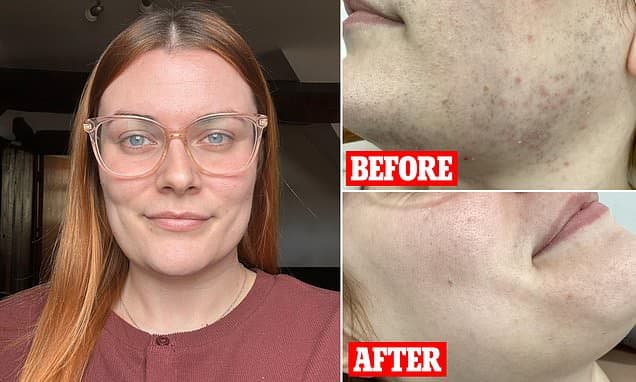
Hirsutism, a condition affecting millions of women in the UK, is characterized by thick, dark hair growth in a male-like pattern. Georgia, a 27-year-old from Birmingham, experienced this firsthand, needing to shave multiple times daily due to PCOS, a common hormonal imbalance linked to hirsutism. This condition significantly impacted her self-esteem and caused physical discomfort.
Experts highlight that hirsutism's mental health impact is often underestimated, leading to social anxiety and depression. Polycystic Ovary Syndrome (PCOS) is the primary cause, involving excess androgen production. Other causes include congenital adrenal hyperplasia and certain medications.
Various treatment options exist, including waxing, plucking, bleaching creams, and depilatory creams, each with drawbacks like soreness or irritation. Medical interventions include the combined contraceptive pill and anti-androgen drugs like spironolactone to rebalance hormones. Prescription creams such as eflornithine can slow hair growth.
For long-term solutions, electrolysis and laser hair removal are effective. Laser treatment, which Georgia opted for, targets hair follicles and costs approximately £1,000 for initial sessions. While expensive, it provided Georgia with immediate and significant improvements, boosting her confidence. Combined treatments may offer the best results for managing excess hair growth.


