

Home / Health / Silent Killer: High Cholesterol's Deadly Toll Revealed
Silent Killer: High Cholesterol's Deadly Toll Revealed
11 Apr
Summary
- High cholesterol affects 59% of the population, increasing heart disease risk.
- Symptoms are absent, only detectable via a blood test.
- Lifestyle changes can significantly reduce cholesterol levels.
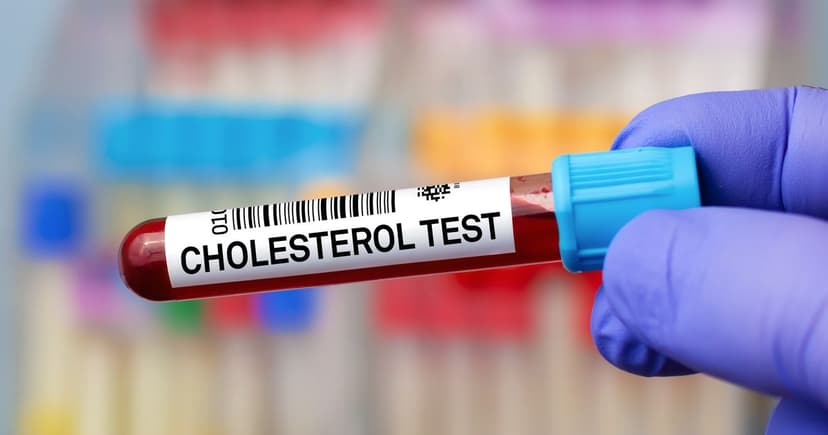
High cholesterol, a condition impacting approximately 59% of the population, significantly elevates the risk of heart disease and strokes. Alarmingly, this serious health issue typically presents no outward symptoms, making regular blood tests the sole method for detection. Certain demographics, including individuals over 50, men, post-menopausal women, and those of South Asian or sub-Saharan African heritage, face a heightened risk. Heredity can also play a role.
Contributing factors to elevated cholesterol levels include diets high in saturated fats, sedentary lifestyles, being overweight, smoking, and excessive alcohol consumption. Fortunately, proactive lifestyle adjustments can effectively manage and reduce cholesterol. The NHS recommends limiting intake of fatty foods, particularly those high in saturated fats, while incorporating healthier unsaturated fats. Regular physical activity, aiming for at least 150 minutes of moderate or 75 minutes of vigorous exercise weekly, is also crucial. Seeking support to quit smoking and moderate alcohol intake further aids in lowering cholesterol and reducing associated health risks.
