Home / Health / Hidden Hearing Loss: Loud Music's Silent Threat
Hidden Hearing Loss: Loud Music's Silent Threat
6 Feb
Summary
- Loud music causes 'hidden' hearing damage to inner ear synapses.
- Damage isn't detected by standard hearing tests.
- Hearing protection significantly improves long-term hearing health.
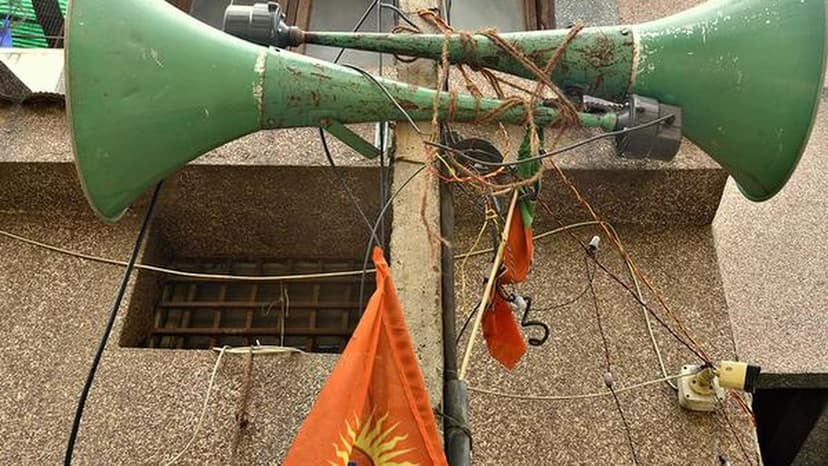
New research indicates that the loud music experienced at live events may lead to long-lasting hearing damage. This damage, termed "hidden" hearing loss, affects the synapses in the inner ear, the crucial connections that transmit sound signals to the brain. Because this damage does not immediately reduce hearing sensitivity, it often goes undetected by conventional hearing tests, presenting an unrecognized public health issue.
Conventional hearing loss stems from damage to sensory hair cells in the cochlea. However, "hidden" hearing loss targets the synapses, impairing the clarity of sound, especially in noisy surroundings, even when basic hearing thresholds appear normal. This condition means that while volume might be adequate, understanding speech becomes difficult in challenging auditory environments.
Studies conducted in real-world settings, like music festivals, utilized personal sound measurements and physiological markers. These revealed that a significant portion of attendees experienced muffled hearing, indicating their auditory systems were overloaded. Notably, individuals who consistently used hearing protection over the years demonstrated markedly better hearing compared to those who did not.
Experts emphasize that noise levels at public gatherings, political campaigns, and religious events often exceed safe limits, contributing to daily exposure. While some developed countries enforce strict noise limits, these are often poorly managed in places like India, potentially leading to greater damage. The adaptability of the human auditory system can mask early signs, and stigma surrounding hearing loss can further delay diagnosis, particularly in young adults who may show symptoms later than expected.
Cochlear synaptopathy can serve as an early warning sign of hearing loss, but reliable diagnostic markers are still limited. Further research is needed to understand the progression of subclinical auditory damage and identify vulnerable individuals. These findings underscore the necessity for more sensitive diagnostic tools and a stronger focus on early prevention and education, especially for young people who may accumulate damage over time.