Home / Health / US Babies Missing Crucial Hepatitis B Shot
US Babies Missing Crucial Hepatitis B Shot
26 Nov
Summary
- Newborn hepatitis B vaccination rates dropped to 65.6% as of June 2026.
- This marks a significant decrease from 80% recorded in 2022.
- Declining rates may lead to future increases in liver disease and cancer.
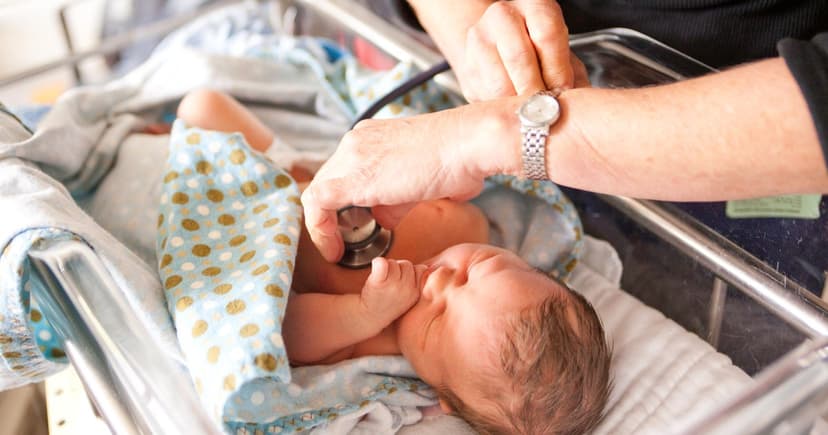
Vaccination rates for newborns against hepatitis B have seen a significant drop in the United States. As of June 2026, only 65.6% of babies received the vaccine within their first 24 hours of life, a notable decrease from 80% in 2022. This decline began in 2023 and continues despite the vaccine remaining on the childhood schedule.
This reduction in hepatitis B vaccination is concerning due to the disease's potential for lifelong chronic infection, with no cure. Hepatitis B can lead to severe health issues like liver failure and liver cancer, particularly if contracted in infancy. Experts emphasize that the vaccine's early administration is crucial for preventing perinatal transmission and lifelong consequences.
The decrease in vaccination rates is attributed to a complex mix of parental hesitancy and misinformation, exacerbated by conflicting health advice. While the immediate impact may not be as apparent as with ongoing measles outbreaks, the long-term consequences of lower hepatitis B immunization could be severe, potentially reversing decades of progress in disease prevention.


