Home / Health / Henrietta Lacks: The Unwitting Donor Who Changed Medicine
Henrietta Lacks: The Unwitting Donor Who Changed Medicine
28 Feb
Summary
- Cells taken without consent fueled medical breakthroughs.
- HeLa cells led to polio, HPV vaccines, and HIV treatments.
- Descendants settled lawsuits over Henrietta Lacks's legacy.
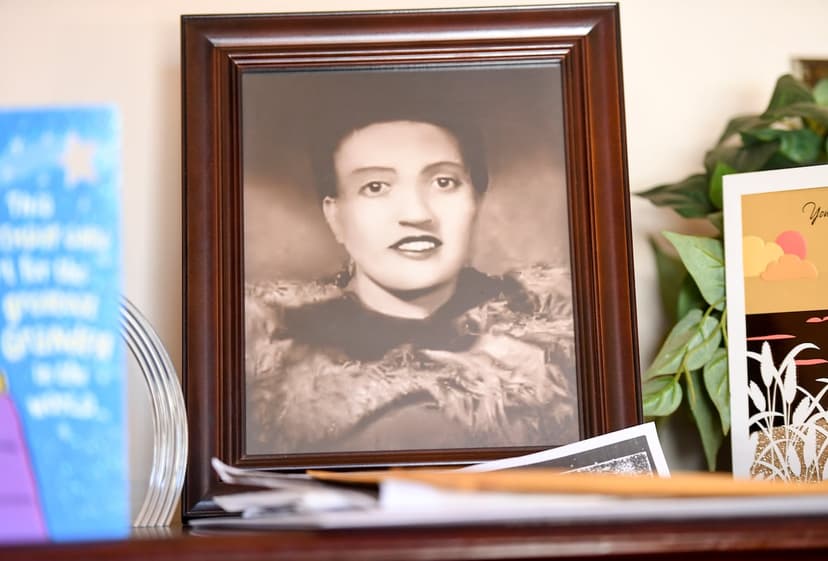
Henrietta Lacks, an African American patient diagnosed with cervical cancer, unknowingly had her cells harvested at Johns Hopkins Hospital in 1951. These cells, labeled "HeLa," became the first immortal human cell line, replicating rapidly and enabling unprecedented scientific progress.
HeLa cells have been instrumental in developing crucial medical breakthroughs, including vaccines for polio and HPV, and treatments for diseases like HIV/AIDS, leukemia, and influenza. Researchers emphasize the fundamental role these cells played in understanding complex infections and developing life-saving medications.
Decades after Lacks's death, her story gained wider recognition, prompting a reevaluation of ethical standards in research. Her family engaged in legal action, reaching confidential settlements with biotechnology and pharmaceutical companies for profiting from the use of her cells within a racist medical system.
The legacy of HeLa cells continues to impact modern research, highlighting both the profound advancements and the critical ethical considerations in scientific discovery. Researchers today strive for greater transparency and informed consent, honoring Lacks's unwitting contribution to medicine.


