Home / Health / Hawaii Medicaid Prescribes Fresh Food For Health
Hawaii Medicaid Prescribes Fresh Food For Health
6 Nov
Summary
- Hawaii Medicaid program to offer fresh food prescriptions.
- Program aims to combat chronic diet-related health issues.
- Benefits low-income communities, boosts local agriculture.
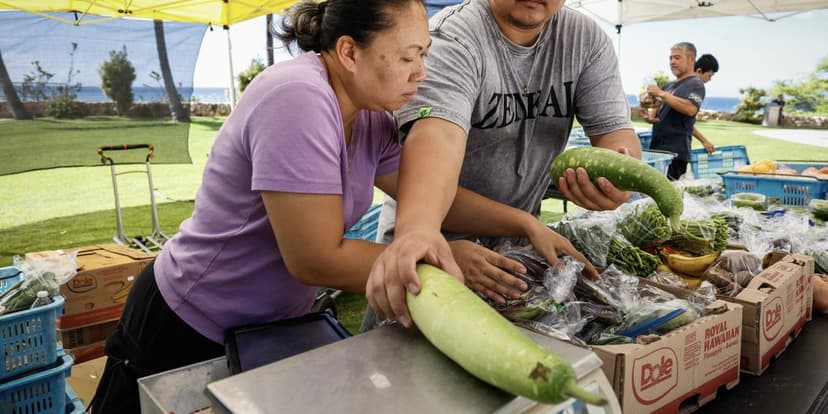
A new special Medicaid program, "Food Is Medicine," is set to launch in Hawaii as soon as January, aiming to combat chronic diet-related health issues. This initiative will provide fresh food prescriptions to more than 100,000 eligible low-income residents.
The program is designed to address significant food insecurity in Hawaii, where one in three households struggle with access to safe and nutritious food. By prescribing items like fresh fruits, vegetables, and proteins, the program seeks to improve health outcomes for vulnerable populations.
Beyond health benefits, the "Food Is Medicine" program is expected to invigorate Hawaii's local agricultural sector. Advocates hope it will promote the use of local produce, potentially injecting millions into the state's economy and creating nearly 1,000 new jobs.
Enabled by the Social Security Act's 11-15 waiver program, Hawaii joins at least a dozen other states in implementing similar nutrition schemes. The state's rollout will occur in three phases, beginning with nutritional education and prescription food boxes.
Pilot programs have shown promising results, with participants experiencing significant health improvements, such as halved blood sugar levels and substantial weight loss. For instance, Moses and Suzette Paio saw drastic improvements after a pilot, with Suzette's blood sugar halving and Moses losing over 70 pounds.
Healthcare providers recommend at least 15% of produce and protein come from local sources, a standard that sets Hawaii's program apart. This focus on local sourcing is crucial for ensuring freshness and cultural relevance of the food provided.
The program will provide eligible recipients with $50 per week on Oahu and $55 on other islands to purchase fresh protein and produce. This can be in the form of food boxes or vouchers for farmers markets, similar to the state's existing "Da Bux" program.


