Home / Health / Leprosy's Cure Emerged From Dye Industry
Leprosy's Cure Emerged From Dye Industry
31 Jan
Summary
- Hansen's disease treatment originated from a dye industry chemical.
- Dapsone, a repurposed dye compound, became the first effective leprosy treatment.
- India reports the world's largest number of new Hansen's disease cases.
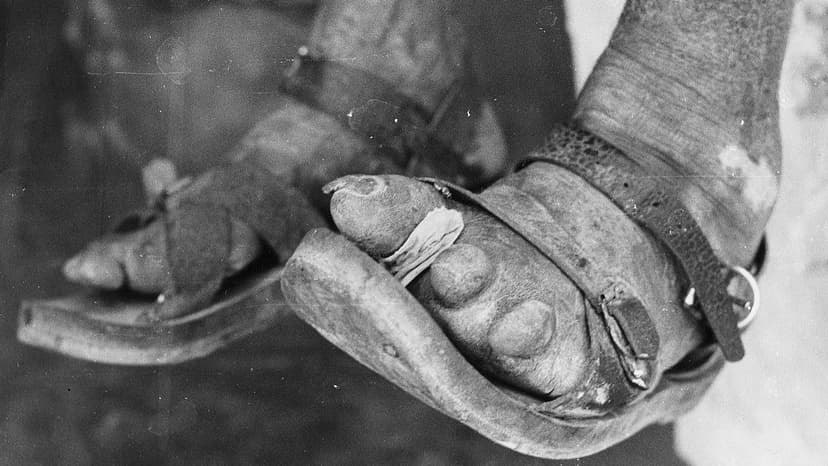
Hansen's Disease, commonly known as leprosy, has a treatment history rooted in an unexpected discovery within the textile dye industry. In 1908, chemists synthesized diamino-diphenyl-sulfone, later known as dapsone, as a dye intermediate. By the 1930s, research into antibacterial agents led scientists to test this compound. Early tests revealed its potential against bacteria, though initial concerns about toxicity led to modifications.
By the early 1940s, physicians observed that dapsone and its modified forms reduced Hansen's disease lesions. This led to the development of safe oral doses, making dapsone the standard treatment by the late 1940s and early 1950s. Dapsone works by inhibiting bacterial folate synthesis, stopping the slow-growing Mycobacterium leprae from multiplying. It remains a key component of modern multidrug therapy, alongside rifampicin and clofazimine.