Home / Health / Gut Stiffness Linked to Early Colon Cancer Rise
Gut Stiffness Linked to Early Colon Cancer Rise
21 Jan
Summary
- Colon tissue in young patients became unusually stiff and rigid.
- Stiffened tissue speeds cell multiplication, increasing mutation risk.
- Chronic inflammation alters collagen, causing colon rigidity and fibrosis.

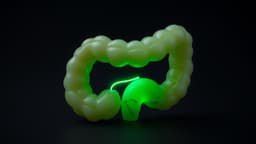
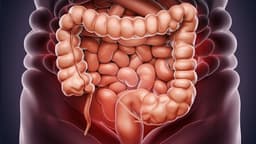
A groundbreaking study suggests a concerning increase in colon cancer among younger individuals could be tied to a stiffened colon. Researchers at UT Southwestern observed that tissue in young colon cancer patients exhibited unusual rigidity.
This stiffness reportedly accelerates cell multiplication and elevates the risk of dangerous mutations. Chronic inflammation, which alters the colon's collagen structure, is identified as the driver of this rigidity, potentially leading to scarring and further cell growth.
While the exact trigger for chronic inflammation remains unclear, potential factors include poor diet, smoking, and certain gastrointestinal conditions. The study, published in Advanced Science, analyzed tissue samples from 33 colon cancer patients, comparing those under 50 with older patients.
Findings indicate denser, longer collagen in younger patients' tumors, contributing to rigidity. Experiments with colon cancer cells in petri dishes on varying stiffness levels confirmed faster multiplication on stiffer surfaces. This research marks a significant step toward identifying at-risk individuals and developing new prevention and treatment strategies for early-onset colorectal cancer.