feedzop-word-mark-logo
searchLogin
Feedzop
homeFor YouIndiaIndia
You
bookmarksYour BookmarkshashtagYour Topics
Trending
Terms of UsePrivacy PolicyAboutJobsPartner With Us

© 2026 Advergame Technologies Pvt. Ltd. ("ATPL"). Gamezop ® & Quizzop ® are registered trademarks of ATPL.

Gamezop is a plug-and-play gaming platform that any app or website can integrate to bring casual gaming for its users. Gamezop also operates Quizzop, a quizzing platform, that digital products can add as a trivia section.

Over 5,000 products from more than 70 countries have integrated Gamezop and Quizzop. These include Amazon, Samsung Internet, Snap, Tata Play, AccuWeather, Paytm, Gulf News, and Branch.

Games and trivia increase user engagement significantly within all kinds of apps and websites, besides opening a new stream of advertising revenue. Gamezop and Quizzop take 30 minutes to integrate and can be used for free: both by the products integrating them and end users

Increase ad revenue and engagement on your app / website with games, quizzes, astrology, and cricket content. Visit: business.gamezop.com

Property Code: 5571

Home / Health / Gut Health Linked to Alzheimer's Inflammation

Gut Health Linked to Alzheimer's Inflammation

28 Jan

•

Summary

  • Gut inflammation is higher in Alzheimer's patients.
  • Higher gut inflammation correlates with brain amyloid plaques.
  • Gut inflammation may impair the blood-brain barrier.
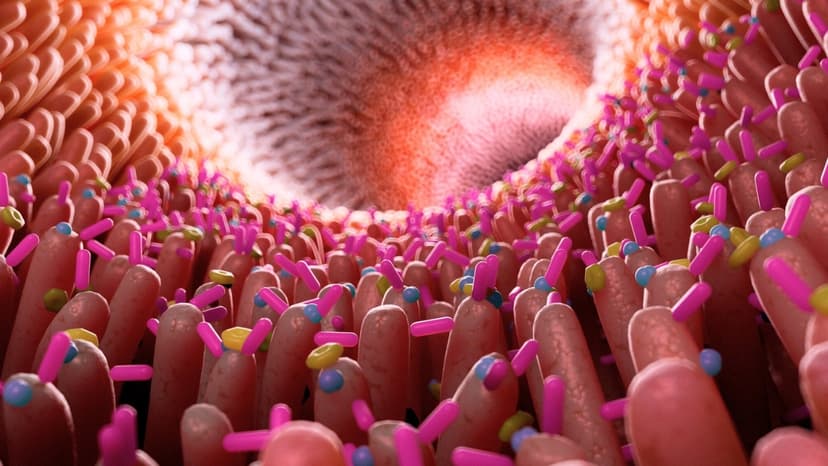
Gut Health Linked to Alzheimer's Inflammation

New research suggests a critical connection between the gut microbiome and Alzheimer's disease. Studies indicate that individuals diagnosed with Alzheimer's often present with higher levels of gut inflammation, as measured by fecal calprotectin. This inflammation has been observed to correlate directly with increased amyloid plaque accumulation in the brain, a key hallmark of Alzheimer's pathology.

Researchers hypothesize that alterations in gut bacteria can lead to chronic, low-grade inflammation throughout the body. This systemic inflammation may weaken the blood-brain barrier, subsequently promoting neuroinflammation and potentially causing neural injury and degeneration. Animal studies are now investigating whether dietary changes linked to inflammation can indeed trigger Alzheimer's-like conditions.

While causality cannot yet be definitively established in humans, the findings strengthen the theory that gut health plays a significant role in brain health. Understanding these biological processes is vital as scientists continue to seek effective treatments for the millions affected by Alzheimer's worldwide.

Disclaimer: This story has been auto-aggregated and auto-summarised by a computer program. This story has not been edited or created by the Feedzop team.
Research indicates that individuals with Alzheimer's disease often have higher levels of gut inflammation, which correlates with increased amyloid plaque buildup in the brain.
Chronic gut inflammation may impair the blood-brain barrier, potentially leading to neuroinflammation, neural injury, and degeneration characteristic of Alzheimer's.
Yes, researchers are currently testing mice to see if diet changes associated with increased inflammation can trigger the rodent version of Alzheimer's disease.

Read more news on

Healthside-arrow
trending

Ajit Pawar plane crash

trending

Hindustan Copper wins copper block

trending

Oliver Peake leads Australia U19

trending

HAL order book strong

trending

Union Bank Uttar Pradesh growth

trending

PNB expands digital banking presence

trending

Redmi Note 15 Pro+ debuts

trending

Shelton faces Sinner challenge

trending

Towing van helper arrested

You may also like

Home Alzheimer's Test: Finger Prick Breakthrough?

19 Jan • 44 reads

article image

Gut Bacteria: France's Hidden Health Organ

11 Jan • 73 reads

article image

Your Genes Might Shape Your Roommate's Gut

24 Dec, 2025 • 158 reads

article image

New Alzheimer's Blood Test: Early Detection Breakthrough

17 Dec, 2025 • 214 reads

article image

Gut Science: More Questions Than Answers

17 Dec, 2025 • 177 reads

article image