Home / Health / Gut Bacteria Fights Bad Cholesterol Naturally
Gut Bacteria Fights Bad Cholesterol Naturally
8 Oct
Summary
- Gut bacterium Bacteroides uniformis produces a molecule that lowers cholesterol.
- The molecule targets the same enzyme as statin drugs.
- Early studies show potential in mice for reducing arterial plaque.
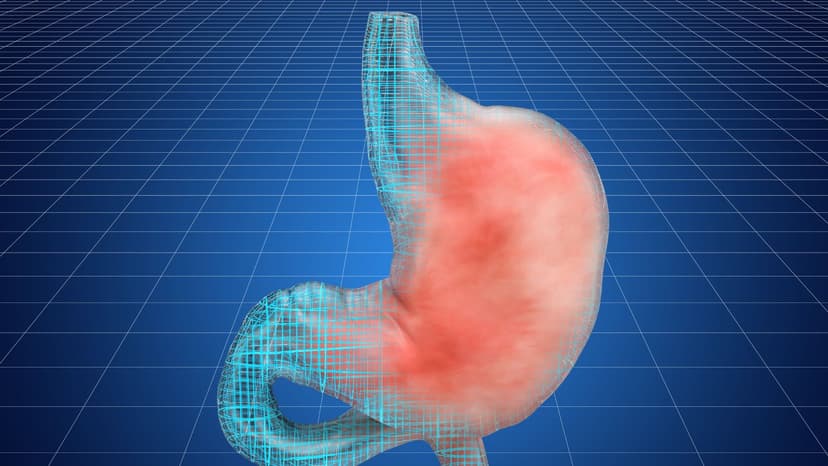
A surprising discovery reveals that a common gut bacterium, Bacteroides uniformis, can actively combat high cholesterol. This microbe produces a molecule that interferes with the body's cholesterol production, mirroring the action of prescription statin drugs. Early research conducted in mice demonstrated that this bacterium, and the molecule it produces, significantly lowered cholesterol levels and reduced the accumulation of arterial plaque.
The molecule, identified as pentadecanoic acid (C15:0), targets a key enzyme in the liver responsible for producing LDL cholesterol. By inhibiting this enzyme, the body increases its clearance of bad cholesterol from the bloodstream. Further investigations involving human samples indicated a correlation between lower levels of C15:0, reduced B. uniformis genes, and adverse lipid profiles or cardiovascular disease.
While these findings are promising, researchers emphasize that direct evidence of this process benefiting humans is still needed. Encouraging the growth of B. uniformis through specific dietary fibers is being explored, but a complete therapeutic chain in humans has not yet been established. Current recommendations for cardiovascular health still center on a balanced, fiber-rich diet to support a healthy gut microbiome.


