Home / Health / Air Quality Fuels Winter ARI Surge
Air Quality Fuels Winter ARI Surge
31 Jan
Summary
- ARI cases increased by 358 from October-December 2025 compared to 2024.
- Rising AQI directly correlated with a surge in respiratory infections.
- Polluted air led to a significant rise in patients needing nebulisation and ventilation.

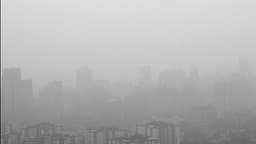
Data from January 2026 revealed a concerning rise in Acute Respiratory Infection (ARI)-related medical emergencies in Gurugram during the winter of 2025-2026. Between October and December 2025, there were 2,293 ARI-related emergencies, an increase of 358 cases compared to the same period in 2024. This surge is strongly linked to deteriorating air quality, with higher Air Quality Index (AQI) readings correlating directly with increased ARI cases.
Doctor Anushree, the district nodal officer, explained that ARI cases escalated as air quality worsened: 711 cases in October (AQI 190), 770 in November (AQI 282), and 812 in December (AQI 299). This contrasts with 2024 figures, where October had 636 cases (AQI 165) and December saw 686 cases (AQI 235). Sentinel sites reported a rise in patients needing nebulisation, with 699 cases in December 2025, up from 579 in December 2024.
The data also indicated a greater need for critical care, with 296 patients requiring ventilation in winter 2025, compared to 164 in 2024. Despite the increase in emergencies, ARI admissions saw a slight decline. Health officials intensified screening and issued advisories for mask-wearing and avoiding dust-laden areas, ensuring adequate medicine and equipment stocks across health centers.
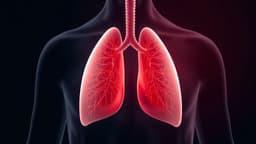
Respiratory specialists observed that a significant portion of new patients, approximately 15-20%, had no prior respiratory history but presented with severe symptoms. This underscores the immediate clinical impact of sustained exposure to polluted air, potentially increasing long-term risks for conditions like asthma and COPD.