Home / Health / Gujarat Advances: Cutting-Edge Transplants Offer New Life
Gujarat Advances: Cutting-Edge Transplants Offer New Life
20 Feb
Summary
- Haploidentical transplants expand access to life-saving procedures.
- CAR T-cell therapy shows significant promise for lymphoma patients.
- Gujarat screens over 77 lakh for sickle cell, identifying thousands.

Innovative haploidentical stem cell transplants are revolutionizing treatment for blood disorders and cancers in Gujarat. These procedures, utilizing half-matched donors like parents or children, have significantly broadened access to cures, previously limited to patients with fully matched siblings.
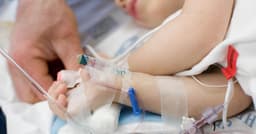
A 16-month-old from Gandhinagar, diagnosed with a bone marrow failure syndrome, underwent a successful transplant in January 2026, showing recovery. Similarly, an 11-year-old from Botad, suffering from thalassemia major, no longer requires monthly transfusions after a haploidentical transplant in November 2024.
Advancements have also benefited leukemia patients, like a 20-year-old from Ahmedabad, who, despite complications like graft-versus-host disease (GVHD), is now in remission after a transplant in January 2024. A 53-year-old businessman from Ahmedabad successfully underwent a similar transplant in May 2022 after overcoming donor-specific antibodies.
CAR T-cell therapy, a form of precision immunotherapy, is also showing remarkable results. A 73-year-old woman from Vadodara, previously unresponsive to chemotherapy for diffuse large B-cell lymphoma, achieved recovery within six months of CAR T infusion in August 2025.
These individual victories occur against a backdrop of significant public health efforts, including screening over 77.34 lakh individuals in Gujarat for sickle cell disease, with over 28,000 cases confirmed by July 2025. Nationally, over 11,000 individuals have been identified with thalassemia major. India now boasts 167 transplant centers performing an estimated 35,000 bone marrow transplants.
While costs for these treatments range from ₹8 lakh to ₹30 lakh, state health support schemes are improving access. Affordability and timely referrals remain critical factors in patient outcomes, underscoring the ongoing need for accessible and advanced medical care.