Home / Health / Microdosing Drugs: Less Weight Loss, More Side Effects?
Microdosing Drugs: Less Weight Loss, More Side Effects?
2 Sep
Summary
- Low doses of GLP-1 drugs show less weight loss than recommended.
- Tirzepatide microdosing linked to more side effects than semaglutide.
- Doctors lack sufficient evidence to fully support microdosing GLP-1s.
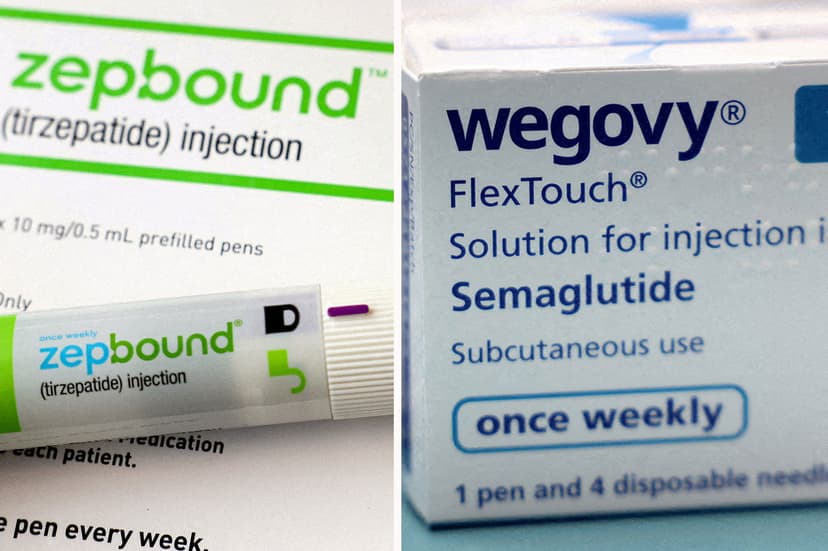
While celebrities like Andy Cohen and Rebel Wilson have endorsed microdosing GLP-1 weight-loss drugs for health benefits, expert opinions suggest limited medical evidence supports these claims.
Recent research evaluated the effects of lower-than-recommended doses of Wegovy (semaglutide) and Zepbound (tirzepatide). Participants taking starter doses lost an average of 2.2% weight with semaglutide and 5.5% with tirzepatide over one year. This contrasts sharply with earlier trials where recommended doses led to 13.7% and 20.2% average weight loss, respectively.
The study indicated that sustained low doses might yield some weight loss, though not substantial amounts. However, even at reduced levels, side effects were reported. Tirzepatide users experienced higher rates of kidney injury, constipation, and shortness of breath compared to semaglutide users, who reported ear inflammation and excessive sweating.
This observational study provides some evidence for modest weight loss with sustained lower doses but does not prove causation. Physicians remain cautious, desiring more comprehensive studies on the benefits and risks before fully recommending microdosing, especially for individuals without significant obesity.
Both Novo Nordisk and Eli Lilly emphasize that treatment decisions should be made in partnership with healthcare providers, referencing their FDA-approved labeling and clinical trial data for efficacy and safety at recommended doses.


