Home / Health / Weight Loss Drugs Reshape Consumer Habits
Weight Loss Drugs Reshape Consumer Habits
23 Oct
Summary
- GLP-1 drugs now primarily used for weight loss, not diabetes.
- Consumers are reducing unhealthy food and alcohol intake.
- Apparel and food industries are adapting to new consumer needs.
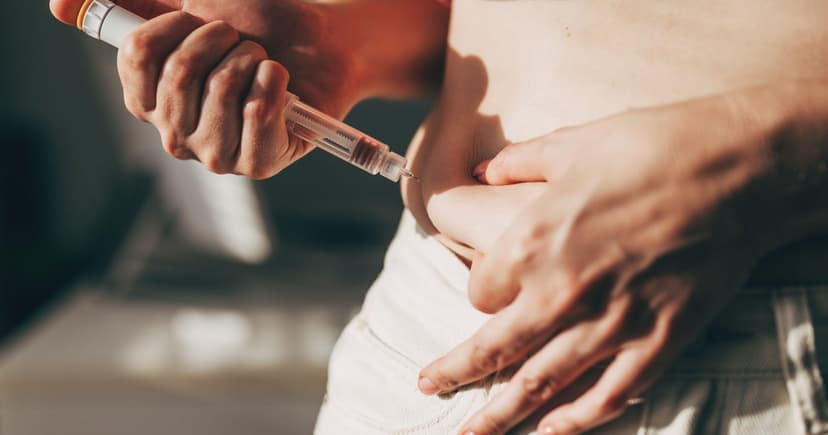
The use of GLP-1 medications, such as Ozempic and Wegovy, has shifted significantly, with a majority of users now taking them for weight loss rather than diabetes. This trend, identified by EY-Parthenon research, involves nearly 15,000 surveyed individuals, including over 3,600 GLP-1 users.
Consumers on these drugs are altering their diets, reducing consumption of sweet and salty snacks, and consuming less alcohol in favor of healthier options. This has prompted food manufacturers and retailers to adapt by offering specialized diet foods, protein-enhanced items, and smaller portion sizes. Don Johnson of EY-Parthenon noted that this is viewed as a permanent structural change, not a temporary fad.
The influence of GLP-1 drugs extends to fashion, with users gravitating towards smaller clothing sizes and more fitted apparel. Seventy-two percent of users reported needing to size down after rapid weight loss, often requiring a complete wardrobe refresh. Additionally, many users increased spending on fitness services and switched apparel brands.
Accessibility to GLP-1 drugs has broadened, with new forms like pills and reduced costs making them available to younger, lower-income, and male consumers. Policy changes, including agreements with manufacturers and programs like the Medicare GLP-1 Bridge, have lowered monthly costs from approximately $1,000 to between $150-$350, or even $50 for eligible Medicare beneficiaries.
Beyond weight management, researchers are exploring other potential impacts of GLP-1s. Experts at the Wharton School are studying whether these drugs can influence the brain's reward system to deter risky financial decisions, such as excessive spending or gambling.


