Home / Health / GLP-1s: History, Cost, and Surprising Benefits
GLP-1s: History, Cost, and Surprising Benefits
17 Sep
Summary
- GLP-1 drugs mimic a natural hormone produced when eating.
- Early research in the 1980s led to the first GLP-1 approval in 2005.
- GLP-1 spending in the U.S. surged 500% from 2018 to 2023.
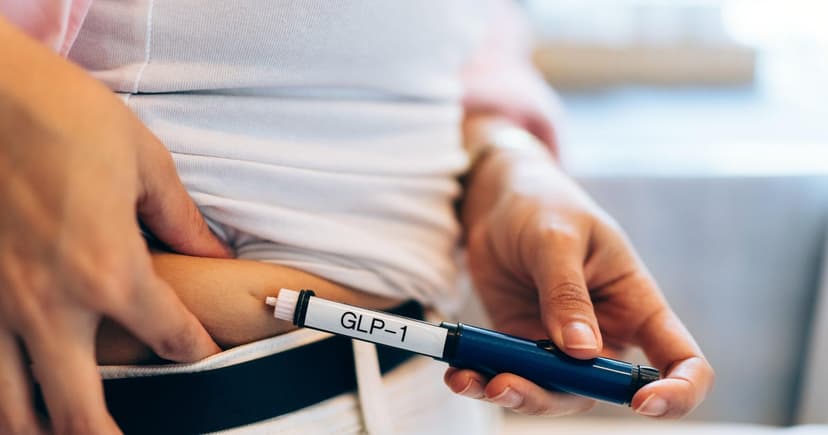
GLP-1 medications, engineered molecules mimicking a natural hormone, have roots in 1980s research, leading to the first FDA approval in 2005. Despite their mainstream presence now, many misunderstand their history and impact. Spending on these drugs in the U.S. saw a dramatic 500% increase between 2018 and 2023, highlighting their escalating demand and cost.
These medications, including semaglutides (Ozempic, Wegovy) and tirzepatides (Mounjaro, Zepbound), are primarily used for type 2 diabetes and weight loss. Their mechanisms involve reducing appetite, aiding insulin release, and slowing digestion. While effective for blood sugar control and weight management, they are recommended as part of a comprehensive diet and exercise plan to preserve muscle mass.
Beyond their initial indications, researchers are uncovering significant additional benefits for GLP-1s, including potential improvements in heart attack, stroke, kidney failure, and even dementia risks. Although side effects like nausea are common, medical professionals foresee these drugs offering substantial long-term health advantages, potentially leading to longer, healthier lives.


