Home / Health / GLP-1 Drugs: Brain Boost or Just Healthy Hype?
GLP-1 Drugs: Brain Boost or Just Healthy Hype?
9 Nov
Summary
- Semaglutide and similar drugs may impact memory and thinking skills.
- Preclinical studies show brain effects, but human trials yield mixed results.
- Cognitive benefits might stem from improved metabolic health, not direct brain action.
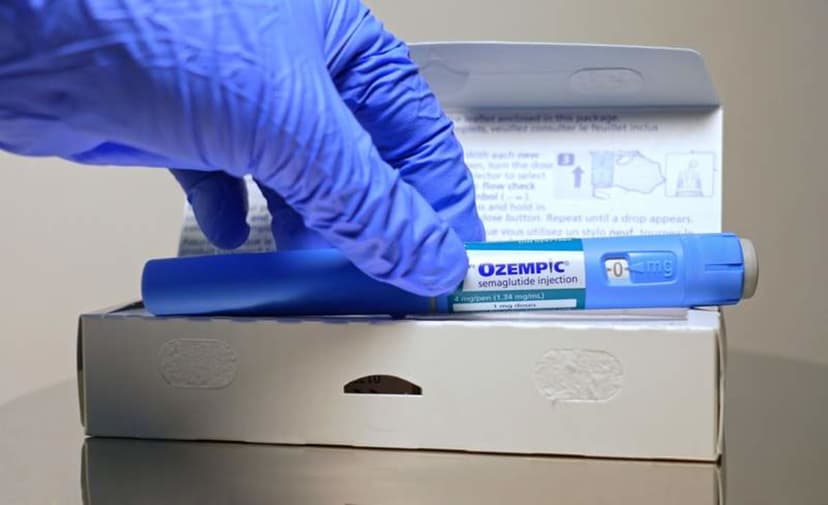
The potential for GLP-1 receptor agonists, like semaglutide, to aid memory and cognitive function is under intense scrutiny. A comprehensive review of nearly 200 preclinical studies and major clinical trials suggests a possible, yet unconfirmed, link. While population studies indicate lower dementia rates in diabetics on these drugs, robust clinical trials have not definitively established a cognitive benefit.
Preclinical research reveals GLP-1 receptors in key brain areas, suggesting biological mechanisms for cognitive enhancement. However, the large molecular size of these drugs limits their passage across the blood-brain barrier, with most evidence pointing to effects in specific brain regions. It's hypothesized that observed cognitive improvements might be indirect consequences of better metabolic control, reduced inflammation, or improved cardiovascular health.
Despite promising cardiovascular and kidney benefits demonstrated in trials like SELECT and FLOW, direct evidence for cognitive preservation remains elusive. Trials such as ELAD and the larger EVOKE/EVOKE+ studies in Alzheimer's patients did not meet primary cognitive endpoints, though some biomarkers showed shifts. The review emphasizes the need for trials that meticulously track body composition, nutrition, and tolerability alongside cognitive outcomes to disentangle these complex effects.


