feedzop-word-mark-logo
searchLogin
Feedzop
homeFor YouIndiaIndia
You
bookmarksYour BookmarkshashtagYour Topics
Trending
Terms of UsePrivacy PolicyAboutJobsPartner With Us

© 2026 Advergame Technologies Pvt. Ltd. ("ATPL"). Gamezop ® & Quizzop ® are registered trademarks of ATPL.

Gamezop is a plug-and-play gaming platform that any app or website can integrate to bring casual gaming for its users. Gamezop also operates Quizzop, a quizzing platform, that digital products can add as a trivia section.

Over 5,000 products from more than 70 countries have integrated Gamezop and Quizzop. These include Amazon, Samsung Internet, Snap, Tata Play, AccuWeather, Paytm, Gulf News, and Branch.

Games and trivia increase user engagement significantly within all kinds of apps and websites, besides opening a new stream of advertising revenue. Gamezop and Quizzop take 30 minutes to integrate and can be used for free: both by the products integrating them and end users

Increase ad revenue and engagement on your app / website with games, quizzes, astrology, and cricket content. Visit: business.gamezop.com

Property Code: 5571

Home / Health / GLP-1 Drugs: Cancer's New Foe or Friend?

GLP-1 Drugs: Cancer's New Foe or Friend?

17 Jan

•

Summary

  • GLP-1 drugs show mixed results on cancer risk and survival.
  • Some studies link them to reduced risk, others to no effect.
  • Experts caution about unknown long-term effects and side effects.
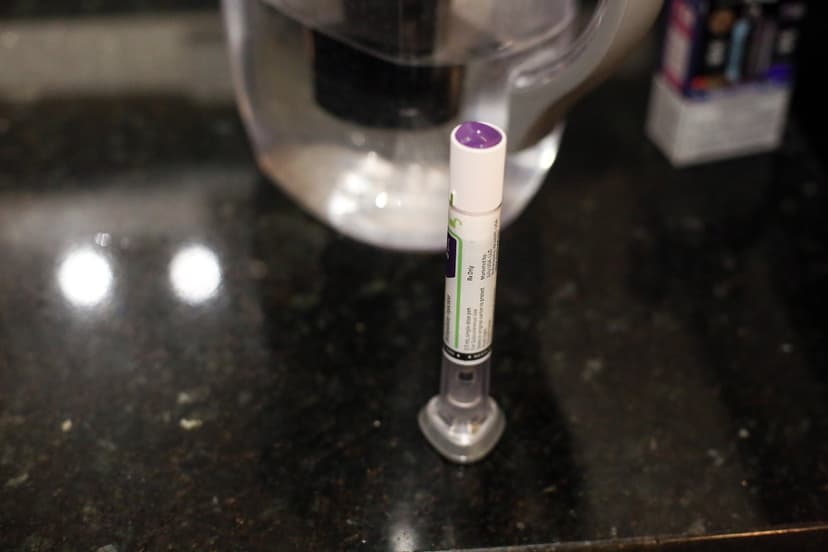
GLP-1 Drugs: Cancer's New Foe or Friend?

The potential of GLP-1 drugs, widely used for Type 2 diabetes and weight loss, to impact cancer is under intense scientific scrutiny. Early research suggests these medications may reduce the risk of developing certain obesity-associated cancers and improve survival rates for some cancer patients, notably those with endometrial, meningioma, and ovarian cancers. However, findings are not uniform, with some studies indicating no significant effect or even a slight increase in risk for specific cancers like kidney cancer. Ongoing investigations aim to understand the multifaceted ways GLP-1s might influence cancer development and progression.

Large-scale studies have yielded varied results. One analysis of over 1.6 million individuals with Type 2 diabetes indicated a significant reduction in the risk of 10 out of 13 obesity-related cancers when taking GLP-1s compared to insulin. Conversely, a review of 48 trials suggested a minimal impact on the risk of several obesity-related cancers. Furthermore, studies published in July 2025 and November indicated that GLP-1 use was associated with lower mortality rates among older adults with cancer and Type 2 diabetes, and a significantly reduced five-year mortality rate for colon cancer patients.

trending

Vande Bharat Sleeper Train Inaugurated

trending

Bangladesh Premier League boycott ends

trending

RCB faces DC in WPL

trending

DGFT allows wheat flour export

trending

EPF UPI withdrawals from April

trending

Amanjot Kaur, Amelia Kerr assault

trending

ICAI postpones auditing exam

trending

Mohammad Mithun receives life threat

trending

Manchester derby live updates

While the weight-loss aspect of GLP-1s may indirectly lower cancer risk by reducing obesity, experts also theorize that these drugs could help by decreasing inflammation and diabetes risk. Research is ongoing, including studies examining GLP-1s' direct effects on cancer cells. Despite promising early findings, medical professionals stress that these medications are not a standalone solution and require careful consideration due to potential side effects, cost, and the need for lifestyle changes. Consultation with healthcare providers is crucial before initiating treatment.

Disclaimer: This story has been auto-aggregated and auto-summarised by a computer program. This story has not been edited or created by the Feedzop team.
Research is ongoing, with some studies suggesting a reduced risk for certain cancers, while others show little to no effect or a slight increase.
Some studies indicate GLP-1s may improve survival rates for older adults with cancer and Type 2 diabetes, and reduce mortality for colon cancer patients.
Experts caution that long-term effects are not fully understood, and potential side effects exist. Consultation with a healthcare provider is essential.

Read more news on

Healthside-arrow

You may also like

Sunlight's Hidden Role in Diabetes Management

11 Jan • 38 reads

article image

Sweet Danger: How Sugar Harms Your Body

7 Jan • 61 reads

article image

GLP-1 Drugs Reverse US Obesity Crisis

16 Dec, 2025 • 148 reads

article image

Gut Bacteria: Your Key to Health Revealed

15 Dec, 2025 • 146 reads

article image

Diabetes Drugs May Cut Epilepsy Risk

14 Dec, 2025 • 163 reads