Home / Health / GLP-1 Drugs Alter Alcohol Experience
GLP-1 Drugs Alter Alcohol Experience
17 Mar
Summary
- GLP-1 drugs can change the rewarding effects of alcohol.
- Users may experience anxiety or sadness when drinking.
- Alcohol sales dropped 35% in Dallas due to these drugs.
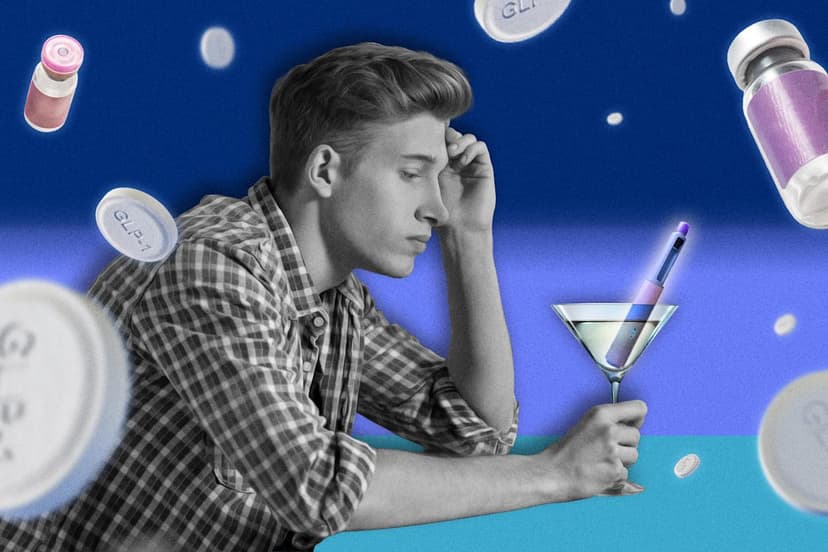
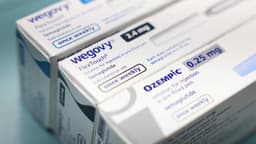
GLP-1 agonists, widely used for weight loss and diabetes management, are now understood to affect alcohol consumption and experience. Users of drugs such as Ozempic and Mounjaro report significant changes in their relationship with alcohol, noting increased emotionality, anxiety, and a diminished sense of reward from drinking. These effects have been observed to impact social activities and even business, with one Dallas bar owner noting a substantial decrease in alcohol sales.
Medical experts explain that these drugs mimic gut hormones, influencing appetite and cravings by acting on the brain's reward system, particularly the habenula. This mechanism, which reduces compulsive behaviors like overeating, may also reduce the desire for alcohol. The reduced euphoria from drinking can lead to a more subdued or even negative experience.
Furthermore, GLP-1s slow gastric emptying, altering alcohol absorption and potentially leading to prolonged intoxication or next-day grogginess. Combined with reduced food intake and lower body weight, which can decrease alcohol tolerance, the overall experience of drinking can become less pleasant and result in worse hangovers. While long-term effects on brain chemistry are still under investigation, some users find their altered response to alcohol persists.