Home / Health / Beyond GLP-1: CGMs Reveal Hidden Diabetes Factors
Beyond GLP-1: CGMs Reveal Hidden Diabetes Factors
14 Oct
Summary
- GLP-1 medications aid blood sugar and weight, but daily choices remain crucial.
- Continuous glucose monitors (CGMs) provide real-time feedback on lifestyle impacts.
- Combining GLP-1 therapy with CGMs shows greater HbA1c improvements.
- New research indicates CGMs and GLP-1 therapies are a powerful combination.
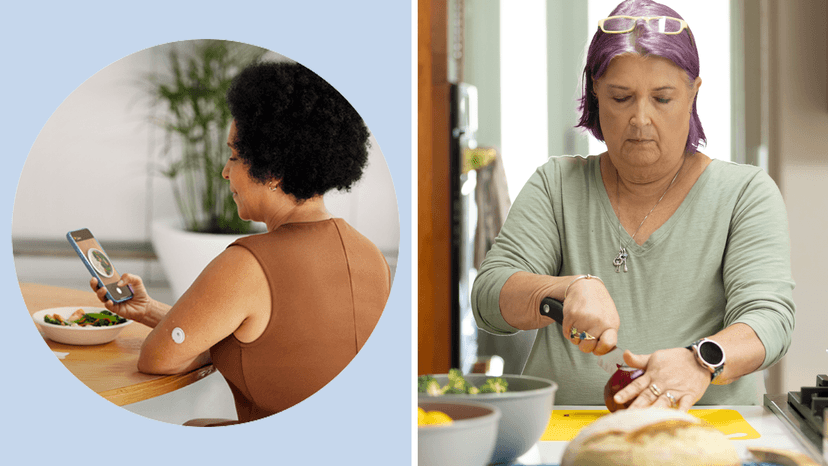
GLP-1 medications have significantly advanced Type 2 diabetes care, aiding blood sugar control and weight loss. However, diabetes specialists emphasize that starting these drugs is not the conclusion of management efforts. Patients continue to make daily decisions concerning diet, exercise, and other habits that directly influence their glucose levels, underscoring the need for comprehensive understanding.
Continuous glucose monitors (CGMs) are increasingly recognized as a critical tool for providing this necessary insight. By offering real-time data on how meals, activity, medication, sleep, and stress affect glucose, CGMs transform diabetes management from guesswork into an actionable process. This visibility helps patients connect their lifestyle choices with their body's responses.
Recent research highlights the synergistic benefits of combining GLP-1 therapies with CGM technology. A 2024 study in Diabetes Technology & Therapeutics found that patients using both GLP-1s and a CGM achieved more substantial HbA1c reductions compared to those using GLP-1s alone. Another study in Diabetes Therapy reported significant improvements for patients with high HbA1c levels when CGMs were added to an existing GLP-1 regimen.
The true value of this combination extends beyond numerical improvements, fostering a deeper connection between daily actions and health outcomes. Patients using CGMs alongside GLP-1 therapy report enhanced understanding of their choices' effects and improved accountability in managing their diabetes, viewing these tools as complementary rather than competing.


