Home / Health / Global Heat Threatens Medicine Efficacy
Global Heat Threatens Medicine Efficacy
17 Nov
Summary
- Heat can accelerate chemical reactions, degrading medicine potency.
- Premature birth risks increase with rising temperatures.
- Heat-stable alternatives like carbetocin offer improved resilience.
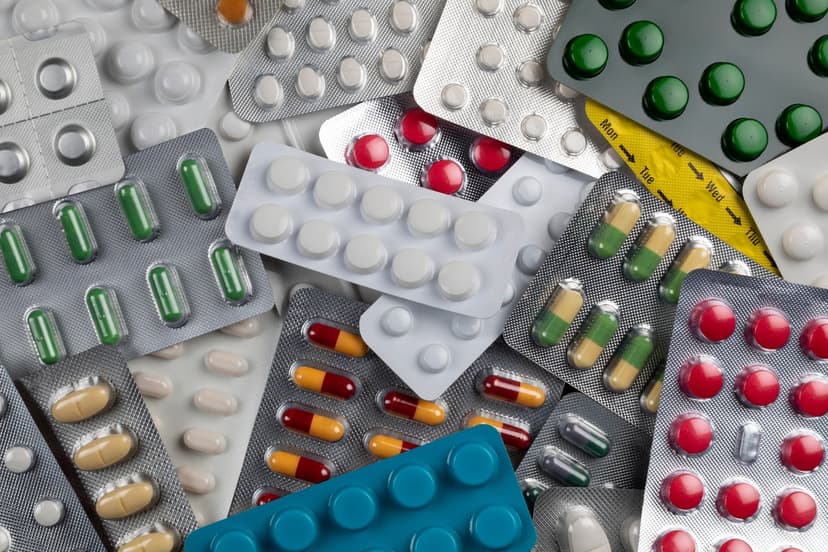
As global temperatures rise, the effectiveness of vital medicines is increasingly at risk. Heat can significantly speed up chemical reactions that break down drugs, reducing their potency. This degradation can occur during transportation and storage, especially in regions lacking reliable cooling.
This phenomenon has critical implications for maternal health. Studies indicate a direct correlation between rising temperatures and an increased risk of premature birth. Furthermore, essential drugs like oxytocin, used to prevent severe postpartum bleeding, require strict refrigeration and can lose effectiveness if exposed to heat.
Efforts are underway to counter these challenges. Heat-stable alternatives, such as carbetocin, are being developed and distributed to ensure medication efficacy in warmer climates. Projects like the £8 million SHIELD initiative, supported by the UK, aim to assess the actual heat and humidity medicines face and identify protective measures.
The UK has an opportunity to lead in ensuring medicines are resilient to climate change, building on its previous efforts in climate negotiations and reducing healthcare emissions. Decisions made now will impact the availability and effectiveness of crucial treatments globally.


