Home / Health / Gas Stove Pollution Linked to Asthma, Heart Issues
Gas Stove Pollution Linked to Asthma, Heart Issues
15 Feb
Summary
- Gas stoves release nitrogen dioxide, a pollutant linked to respiratory and heart problems.
- Children exposed to NO2 from gas stoves have higher asthma rates.
- Switching to electric stoves may significantly reduce indoor pollution exposure.

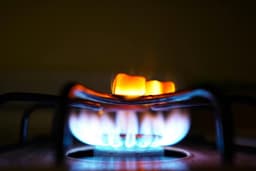
Cooking with gas stoves releases nitrogen dioxide (NO2), a toxic emission also found in vehicle exhaust and power plants. This indoor pollutant is linked to various health problems, predominantly respiratory. Chronic exposure can increase the likelihood of children developing asthma and worsen existing heart and lung conditions in individuals of all ages. While outdoor air quality has seen improvements due to emissions standards, indoor air quality, where people spend most of their time, has lagged behind.
Recent studies have brought scientific equipment into homes, revealing that gas stove users experience significantly higher NO2 exposure compared to those using electric stoves. One professor estimates that NO2 exposure from gas stoves could be responsible for over 50,000 current cases of pediatric asthma. For households in areas with already poor outdoor air quality, gas stove fumes contribute a smaller portion of their total pollution exposure. However, in areas with good outdoor air quality, like many parts of the Bay Area, a gas stove may account for over half of an individual's pollution exposure. For approximately 22 million Americans, eliminating gas stove use could remove all known NO2-related health risks.
While switching to an electric stove is a healthier choice, it's not always affordable or feasible for everyone, particularly renters. However, scientists offer interim advice to reduce exposure. Running an exhaust hood that vents outdoors, opening windows, and using air purifiers while cooking can help. Simple adjustments like cooking on a back burner, reducing cooking times, or using countertop induction units can also lower NO2 exposure. Experts emphasize the need for public policy to make the transition to electric appliances more accessible.