Home / Health / First Human H5N5 Bird Flu Case Confirmed
First Human H5N5 Bird Flu Case Confirmed
30 Nov
Summary
- First human infection of H5N5 avian influenza confirmed.
- The patient in Washington state sadly died from the virus.
- H5N5 is a high pathogenicity bird flu strain found in wild birds.
A groundbreaking event in public health has occurred with the confirmation of the first human infection by an H5N5 avian influenza virus. The case, identified in Grays Harbor, Washington, involved an elderly individual with pre-existing health issues who developed severe flu-like symptoms, leading to hospitalization and eventual death. This marks a significant, albeit tragic, step in understanding the transmissibility of bird flu strains.
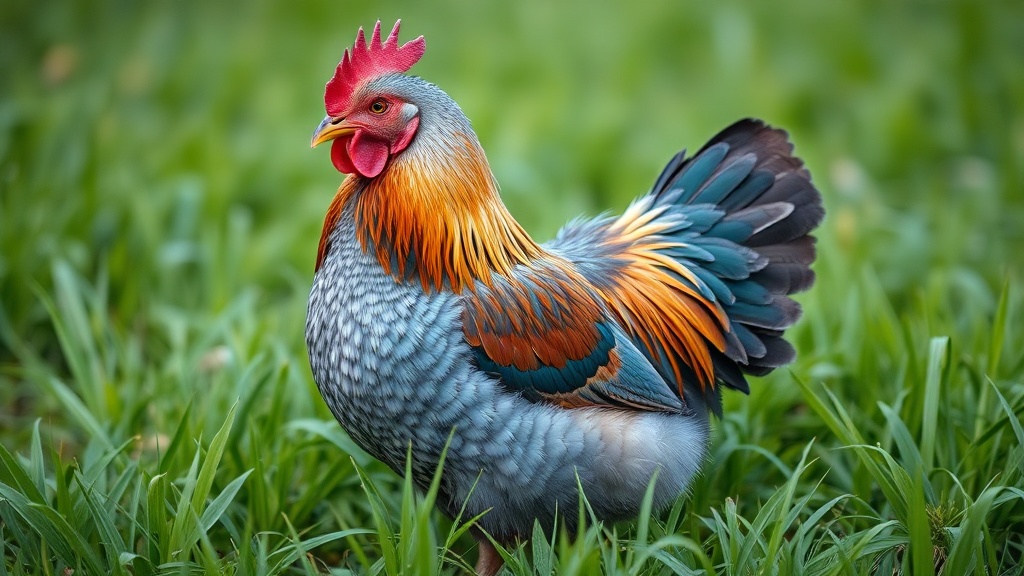
The H5N5 virus is classified as a high pathogenicity avian influenza, meaning it can cause severe illness in poultry and other birds. While H5N1 has been more widely reported, this H5N5 strain exhibits distinct genetic characteristics. The infected individual maintained a flock of backyard poultry, suggesting a potential link to wild birds, a known reservoir for H5N5.
Public health officials emphasize that while this case is alarming, the risk of widespread human infection from H5N5 remains low. There are currently no indications of human-to-human transmission. However, the incident underscores the ongoing need for vigilant surveillance of avian influenza viruses, especially as they continue to circulate in wild bird populations globally.