Home / Health / Your Bed Is Breeding Bacteria: Fight the 'Bed Biome'
Your Bed Is Breeding Bacteria: Fight the 'Bed Biome'
10 Feb
Summary
- Bedding absorbs skin and sweat, fueling a 'bed biome' affecting sleep.
- Mite droppings and fungi spores can trigger allergies and breathing issues.
- Regularly washing bedding at 60°C can kill harmful microbes and mites.
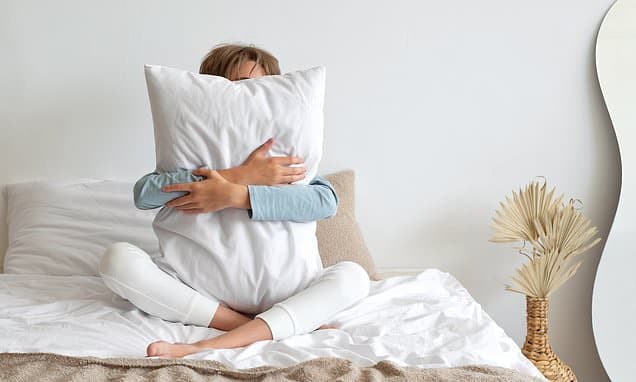
Our bedding harbors a 'bed biome' comprising bacteria, fungi, and mites, potentially impacting sleep quality. This ecosystem thrives on shed skin and sweat, creating an environment where microbes multiply.
Primrose Freestone, an associate professor in clinical microbiology, explains that these microbes transfer to bedding, feeding invisible mites. Accumulating mite droppings can lead to allergic reactions like a blocked nose, asthma, and eczema. These particles, when inhaled, trigger histamine release, causing nasal swelling and snoring.
A study in Allergy, Asthma & Clinical Immunology found many dust mite-allergic individuals also suffered from poor sleep and snoring. Fungal spores, with tests on pillows showing millions per gram, can also cause issues. David Denning, a retired professor of infectious diseases, notes that moisture from sweat and wet hair encourages mold, fungi, and mites.
Pets can also introduce pathogenic bacteria like Campylobacter and Salmonella, which can survive on bedding for extended periods. To combat this, experts advise washing bedding weekly at a minimum of 60°C to kill mites, bacteria, and fungi. Pillows should be washed every four to six months, and mattresses vacuumed weekly.
For items that cannot withstand high temperatures, freezing them for at least eight hours can be effective. Additionally, leaving duvets pulled back during the day allows mattresses to dry, reducing mite-friendly dampness. Improving indoor air quality through ventilation and dehumidifiers is also crucial.