Home / Health / Fetal MRI: Scary Images, Real Safety?
Fetal MRI: Scary Images, Real Safety?
28 Feb
Summary
- Fetal MRIs reveal clear images of unborn babies, sparking safety concerns.
- Ultrasound is standard; MRI is reserved for high-risk fetal conditions.
- Studies show no measurable harm to neurodevelopment from non-contrast MRIs.
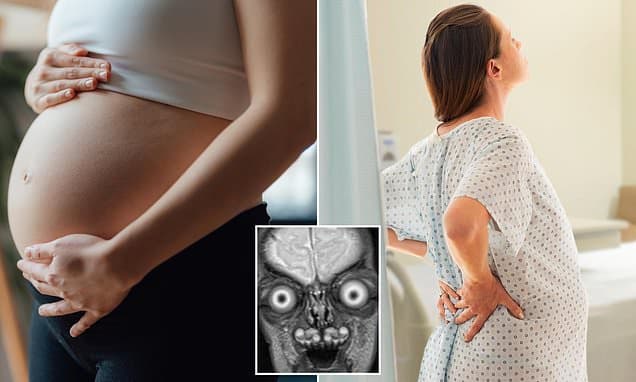
Strikingly clear MRI images of fetuses, revealing detailed skeletal structures, have recently circulated online, prompting discussions about the safety of such scans during pregnancy. While these images can be unsettling, medical professionals emphasize that ultrasounds remain the standard for routine prenatal care, providing valuable insights into fetal health without radiation.
Fetal MRIs are typically reserved for high-risk situations requiring more diagnostic information, such as suspected tumors or brain abnormalities. Unlike ultrasounds, MRIs can be uncomfortable for pregnant women, especially in later trimesters. Concerns have also been raised regarding gadolinium-based contrast dye, which crosses the placenta and has been linked to adverse fetal outcomes, though most fetal MRIs are performed without it.
Research indicates a significant divide in women's willingness to undergo MRIs during pregnancy. While a large majority (80%) are open to scans prescribed for diagnosing potential issues, only a quarter are willing for research purposes, suggesting perceived medical benefit is a key factor. Notably, data from nearly 3.5 million pregnancies between 1996 and 2016 showed no known harmful effects to babies from prenatal MRIs. Subsequent studies further support the safety of non-contrast MRIs, finding no negative impact on children's neurodevelopment up to age six.