feedzop-word-mark-logo
searchLogin
Feedzop
homeFor YouIndiaIndia
You
bookmarksYour BookmarkshashtagYour Topics
Trending
Terms of UsePrivacy PolicyAboutJobsPartner With Us

© 2026 Advergame Technologies Pvt. Ltd. ("ATPL"). Gamezop ® & Quizzop ® are registered trademarks of ATPL.

Gamezop is a plug-and-play gaming platform that any app or website can integrate to bring casual gaming for its users. Gamezop also operates Quizzop, a quizzing platform, that digital products can add as a trivia section.

Over 5,000 products from more than 70 countries have integrated Gamezop and Quizzop. These include Amazon, Samsung Internet, Snap, Tata Play, AccuWeather, Paytm, Gulf News, and Branch.

Games and trivia increase user engagement significantly within all kinds of apps and websites, besides opening a new stream of advertising revenue. Gamezop and Quizzop take 30 minutes to integrate and can be used for free: both by the products integrating them and end users

Increase ad revenue and engagement on your app / website with games, quizzes, astrology, and cricket content. Visit: business.gamezop.com

Property Code: 5571

Home / Health / FDA Clarifies 'No Artificial Color' Food Labels

FDA Clarifies 'No Artificial Color' Food Labels

5 Feb

•

Summary

  • FDA updates food labels for artificial color clarity.
  • New labels exempt natural dyes like beets.
  • Some artificial dyes linked to hyperactivity in children.
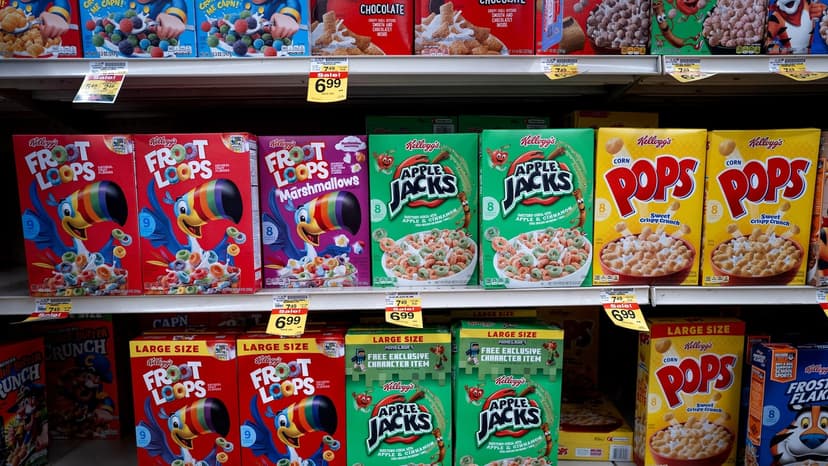
FDA Clarifies 'No Artificial Color' Food Labels

The U.S. Food and Drug Administration has announced an immediate change to clarify labels on food packaging regarding artificial colors. Commissioner Dr. Marty Makary stated that the updated guidelines aim to give consumers more trust and understanding of "no artificial color" designations.

Under the new rules, foods dyed with natural sources like beets or watermelon juice will be exempt from being labeled as artificially colored. Only products made with synthetic, petroleum-based dyes will be subject to stricter labeling. This initiative is part of a broader effort to discourage the consumption of artificially dyed foods.

Major brands such as Walmart, General Mills, and Hershey have committed to reducing artificial dyes in their products by the end of next year. While research on natural food dyes is limited, some artificial dyes, like Red 40, have been associated with hyperactivity in children and may contribute to colon inflammation or cancer.

Nutritionists support the proposal's aim for clarity but raise concerns about accessibility and affordability of alternative foods for all communities. Some experts suggest focusing on reducing added fats, sugars, and salt, which pose higher health risks.

Disclaimer: This story has been auto-aggregated and auto-summarised by a computer program. This story has not been edited or created by the Feedzop team.
The FDA is updating food packaging labels to clarify "no artificial color" designations, exempting foods dyed with natural sources from this label.
Foods dyed with natural sources such as beets or watermelon juice will be exempt from being designated as artificially colored.
Some artificial dyes have been linked to hyperactivity in children and may contribute to colonic inflammation, potentially increasing the risk of colon cancer.

Read more news on

Healthside-arrow
trending

Munich Air Disaster remembered

trending

T20: Cricket's World Cup thrives

trending

Chandrika Dixit's February 8 reveal

trending

US India trade agreement

trending

Karnataka dominates Mumbai in Ranji

trending

Rinku Singh Facebook account hacked

trending

Barcelona vs Mallorca live stream

trending

ISL 2025/26 fixtures announced

trending

Siraj replaces injured Harshit Rana

You may also like

Artificial Colors Challenged: What's Next for Your Snacks?

28 Jan • 65 reads

article image

Amazon Shifts Focus: More Same-Day Delivery, Fewer Go Stores

27 Jan • 71 reads

article image

Jolly Rancher Sweets Banned in UK Over Cancer Risk

17 Jan • 111 reads

article image

Aldi's US Superstore Blitz: Cheap Groceries Reign Supreme

15 Jan • 166 reads

article image

Walmart's Accidental Boost to Whole Foods' Success

13 Jan • 151 reads

article image