Home / Health / Office Life Fuels Silent Liver Disease
Office Life Fuels Silent Liver Disease
23 Feb
Summary
- Sedentary office work is a primary driver of fatty liver disease.
- MASLD affects one in three adults globally, with rising rates.
- Fatty liver is a key indicator for heart disease and diabetes risks.

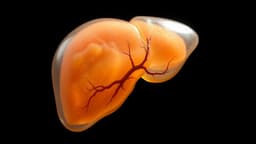
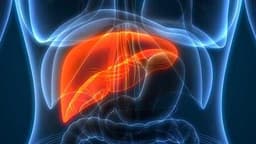
Many office-going adults are now being diagnosed with metabolic dysfunction-associated steatotic liver disease (MASLD), previously known as non-alcoholic fatty liver disease. This trend highlights changes in lifestyle, diet, and work environments. Office culture, characterized by long hours of sitting, high stress, and easy access to unhealthy snacks, contributes to fat accumulation in the liver, even in non-drinkers.
Studies confirm this pattern, with a significant percentage of IT employees in India showing increased liver fat. Globally, MASLD affects approximately one in three adults, and its prevalence is rising due to sedentary lifestyles and obesity. Dr. Varun Bansal notes the grave concern, linking fatty liver disease to insulin resistance, obesity, and hypertension, all major heart disease risk factors.
Prolonged sitting slows metabolism and encourages fat storage. Irregular meals and stress eating, combined with high sugar and refined carbohydrate intake, exacerbate the problem. Poor sleep and long work hours further disrupt metabolic balance. MASLD is often silent, with subtle symptoms like fatigue or mild discomfort, making early detection crucial.
Fatty liver is more than just a liver issue; it's a marker of deeper metabolic imbalance, significantly increasing the risk of type 2 diabetes, high blood pressure, cardiovascular disease, and chronic kidney disease. Experts emphasize that diligent daily habits can help slow or reverse early stages of fatty liver disease.