Home / Health / Piezo1: The Key to Exercise Without Moving
Piezo1: The Key to Exercise Without Moving
13 Feb
Summary
- A protein named Piezo1 acts as an exercise sensor in bones.
- This protein promotes bone growth and reduces fat buildup.
- Mimicking Piezo1 could offer exercise benefits without movement.
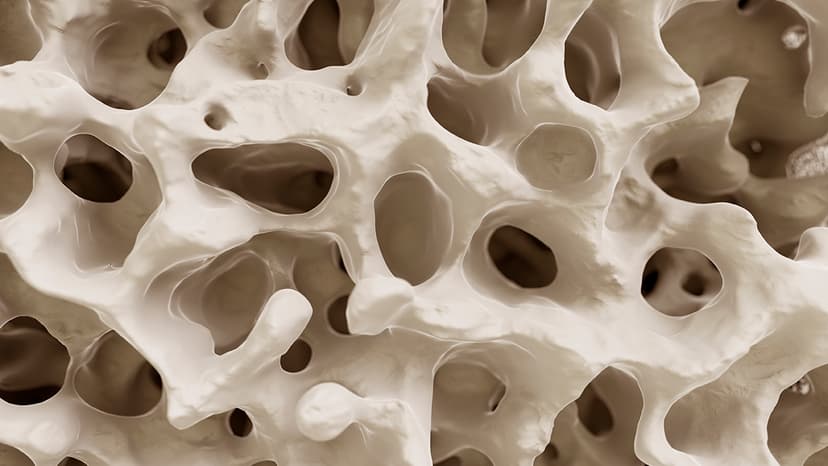
Scientists have identified a crucial molecular mechanism by which exercise strengthens bones, paving the way for potential treatments that could replicate these benefits. The research pinpointed a protein called Piezo1, which functions as an "exercise sensor" within bones.
This sensor, when activated, is instrumental in promoting bone growth and simultaneously reducing the buildup of fat cells in the bone marrow. This finding is particularly significant for developing interventions against osteoporosis, a condition causing bone fragility.
The discovery offers hope for individuals unable to engage in regular physical activity, such as the elderly or those with limited mobility. By mimicking the action of Piezo1, treatments could potentially provide the bone-health advantages of exercise without the need for physical exertion.
While the research was conducted using mouse models and is still a long way from human application, the identification of Piezo1 and its signaling pathways offers a clear target. Future therapies could cautiously aim to activate this pathway to slow bone loss and reduce fracture risks in vulnerable populations.