Home / Health / EPA Weighs New Fluoride Water Limits Amid Health Debate
EPA Weighs New Fluoride Water Limits Amid Health Debate
28 Jan
Summary
- EPA is seeking public comment until February 27 on safe fluoride levels in drinking water.
- Robert F. Kennedy Jr. prioritizes fluoride concerns, calling it an industrial waste.
- Recent studies suggest lower IQs in children with higher fluoride exposure.
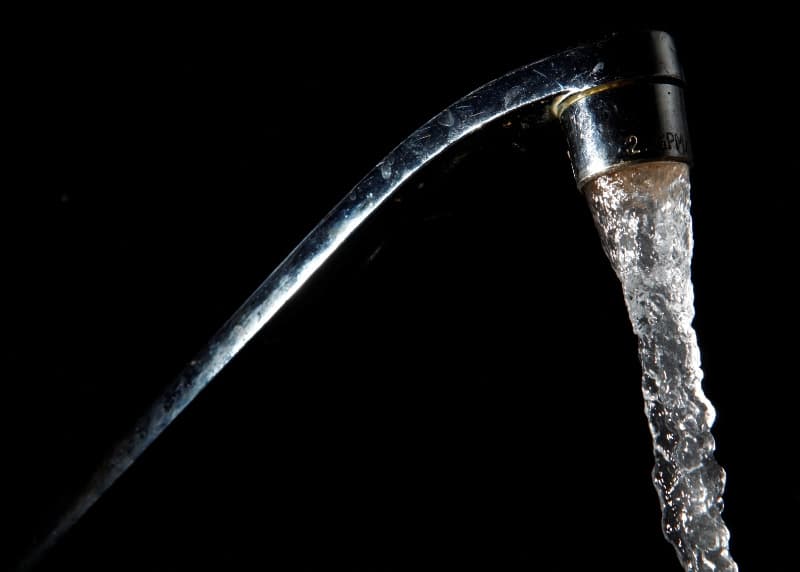
The U.S. Environmental Protection Agency has initiated a plan to establish safe levels of fluoride in drinking water, inviting public comment until February 27. This process could lead to revisions of the current drinking water standard under the Safe Drinking Water Act. Fluoride has been a focal point for Robert F. Kennedy Jr., who heads the Department of Health and Human Services and has voiced strong opposition to its use. The mineral, naturally present in water, soil, and air, is credited with strengthening tooth enamel and preventing cavities, a public health achievement of the 20th century.
Community water fluoridation began in Grand Rapids, Michigan, in 1945, with subsequent data showing significant reductions in tooth decay. By the 1950s, its benefits were widely acknowledged, leading to broad adoption across the U.S. Currently, approximately 63% of Americans have fluoride in their community water systems, though Utah and Florida banned it in 2025. The recommended level is below 0.7 milligrams per liter, while the EPA's enforceable limit is 4.0 mg/L.
However, recent scientific inquiries have introduced new considerations. A review published in October 2024 suggested that community water fluoridation may offer only modest benefits in wealthy countries, given the widespread use of fluoride in toothpaste. Furthermore, research from January indicated a correlation between higher fluoride exposure and lower IQ scores in children. These findings, while questioned by some for methodological weaknesses, add complexity to the ongoing public health discussion surrounding fluoride.