Home / Health / NHS England Lowers Bowel Cancer Test Threshold
NHS England Lowers Bowel Cancer Test Threshold
26 Jan
Summary
- England's bowel cancer screening now detects more cases early.
- FIT threshold lowered to 80µg Hb/g, matching Scotland and Wales.
- 35% more colonoscopies expected annually for diagnoses.

NHS England is implementing a significant upgrade to its bowel cancer screening programme, aiming to detect thousands more cases in their early, more treatable stages. Starting next month, the national health service will reduce the detection threshold for its home-screening stool kits, aligning England's approach with Scotland and Wales. This adjustment is projected to identify an additional 600 bowel cancer cases early each year, a 11 per cent increase. Thousands more individuals will undergo screening for signs of the disease.
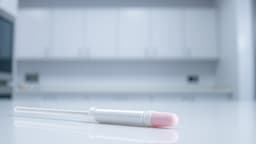
Furthermore, the change is expected to identify approximately 2,000 more people with high-risk polyps. This will lead to an anticipated 35 per cent increase in colonoscopies, equating to about 34,000 additional procedures annually, to aid in diagnosis. The faecal immunochemical test (FIT), offered to individuals aged 50 and over, detects human haemoglobin in stool samples. The FIT screening threshold in England has now been reduced from 120µg Hb/g to 80µg/g, matching Scotland and Wales.
Once fully implemented, this lower threshold is expected to reduce late-stage diagnoses and deaths from bowel cancer in England by approximately 6 per cent, potentially saving the NHS £32 million each year. The UK National Screening Committee recommends an optimal threshold of 20µg/g, with plans to work towards this over time due to service demands. NHS England will also introduce new digital alerts to boost screening kit uptake. The Government's National Cancer Plan, detailing future cancer care transformations by 2035, is due for publication next week.