Home / Health / Heart Transplant: A Lifeline for End-Stage Heart Disease
Heart Transplant: A Lifeline for End-Stage Heart Disease
10 Apr
Summary
- End-stage heart disease is the final phase of heart failure.
- Dilated cardiomyopathy weakens the heart, impacting its pumping ability.
- Heart transplantation offers a life-saving solution for advanced cases.
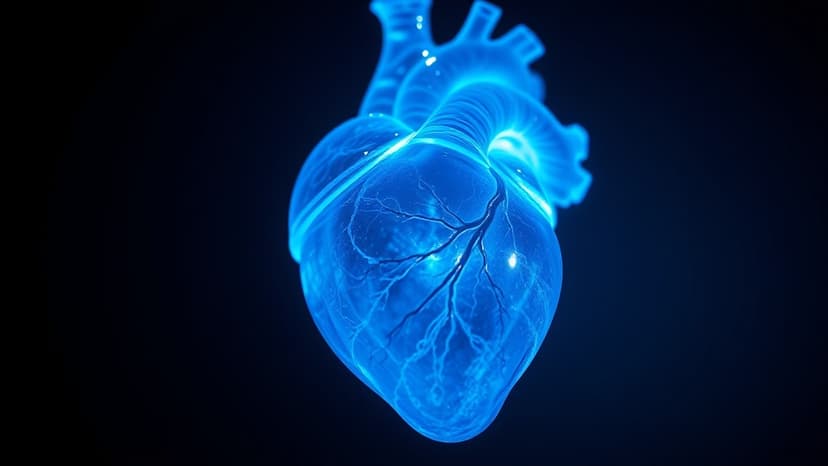
End-stage heart disease signifies the most severe stage of heart failure, leaving the heart unable to meet the body's circulatory demands. Dilated cardiomyopathy is a significant contributor, leading to the heart muscle's enlargement and weakening over time. This progression severely diminishes the heart's pumping efficiency, impacting overall health.
Symptoms such as breathlessness, extreme fatigue, and swelling are common as the heart struggles to circulate oxygenated blood. While medications and lifestyle adjustments are initial treatments, they may prove insufficient in advanced stages. In such critical situations, a heart transplant is considered the most effective life-saving intervention.
The heart transplant process involves replacing a failing organ with a healthy donor heart, requiring thorough patient evaluation and a specialized surgical team. Following the procedure, lifelong medication and monitoring are essential to prevent rejection and maintain the health of the transplanted organ.
Recovery is gradual, focusing on rehabilitation and adherence to medical care. With successful transplants, many patients experience a significantly improved quality of life, returning to daily activities. This advanced procedure, supported by organ allocation systems and financial aid, offers a vital second chance for those with end-stage heart failure.


