Home / Health / Drug-Resistant Shigella Surges in US
Drug-Resistant Shigella Surges in US
25 Apr
Summary
- Drug-resistant shigella infections have significantly increased in the U.S.
- Extensively drug-resistant strains now account for 8.5% of infections.
- Children under 5 and adult men are particularly at risk.
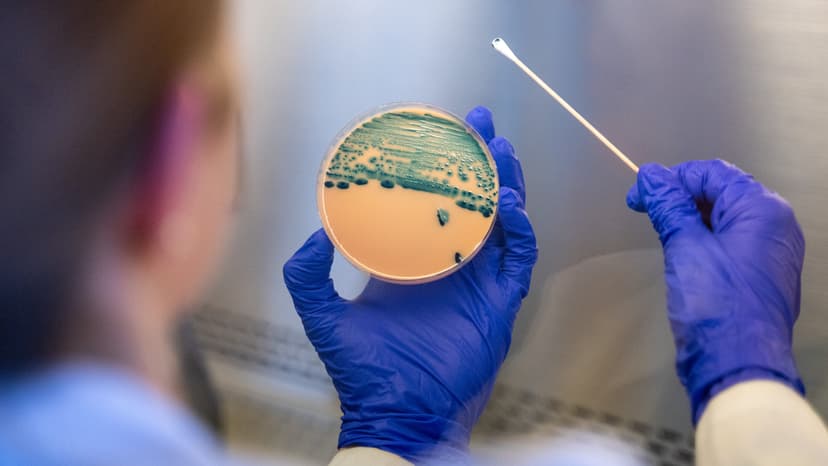
Infections caused by drug-resistant shigella bacteria have seen a notable increase in the United States, as detailed in a recent report. These extensively drug-resistant (XDR) strains are unresponsive to five primary antibiotics typically used for severe cases.
As of 2023, XDR shigella constituted 8.5 percent of all identified shigella infections, a significant rise from zero in 2011. This evolution in bacteria resistance is a growing concern for infectious disease experts.
Shigellosis, the infection caused by shigella, usually presents with diarrhea and resolves within a week with rest and fluids. However, severe symptoms like bloody stool and prolonged diarrhea can necessitate antibiotic treatment.
The bacteria spread easily from person to person, with children under five being the most vulnerable. Adult men have also been identified as a demographic with a high proportion of drug-resistant infections.
Globally, antimicrobial resistance is escalating, driven in part by the overuse and misuse of antibiotics. This trend accelerates the mutation and spread of resistant germs, making infections harder to treat.
Treating XDR shigella infections often requires hospitalization and the use of more powerful antibiotics, with nearly 40 percent of reported cases leading to admission. Experts anticipate this resistance trend to continue upward.


