Home / Health / Harlem Doctor's Navigation Program Revolutionized Cancer Care
Harlem Doctor's Navigation Program Revolutionized Cancer Care
15 Sep
Summary
- Dr. Freeman's navigation program became a global model for hospitals.
- His work influenced the 2005 federal Patient Navigator Act.
- Medicare now reimburses cancer navigation services as of 2024.
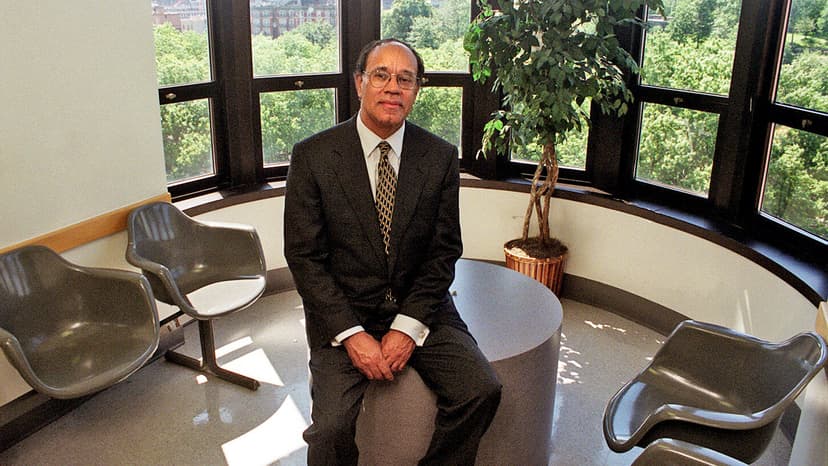
Dr. Harold Freeman, a pioneering oncology surgeon, passed away on August 11 in Atlanta at the age of 93. Dr. Freeman is credited with creating a landmark patient navigation program at Harlem Hospital Center.
His program, initiated in 1990, addressed the significant barriers faced by poor Black patients in accessing timely cancer detection and treatment. The success of his model led to the federal Patient Navigator Outreach and Chronic Disease Prevention Act of 2005, allocating $25 million for similar programs nationwide.
As of 2024, Medicare now provides reimbursement for cancer navigation services, a significant acknowledgment of the program's impact. Dr. Freeman's work was instrumental in improving five-year breast cancer survival rates at Harlem Hospital, which rose from 39 percent to 70 percent by 1995.
Freeman, who was Black, arrived at Harlem Hospital in 1967, determined to combat cancer's disproportionate impact on Black Americans. He recognized that surgical skill alone was insufficient and that systemic issues created formidable obstacles for his patients.
His early work included establishing the Breast Examination Center of Harlem ten years prior to the navigator program. This center aimed to streamline access without requiring hospital registration, funded by the state and Memorial Sloan Kettering Cancer Center.
Freeman's influence extended to national policy as he chaired the President's Cancer Panel, advising three U.S. presidents. He also held positions at the National Cancer Institute and led initiatives to reduce cancer health disparities.
Remembered for his profound impact, Dr. Freeman emphasized that while race may not be biological, racism is a significant factor in health disparities. His legacy is cemented in the countless lives improved by his innovative approach to patient-centered cancer care.


