Home / Health / Rural Healthcare Revolution: Village Women Become Lifesavers
Rural Healthcare Revolution: Village Women Become Lifesavers
1 Mar
Summary
- Home-based newborn care model significantly cut mortality rates.
- Village women trained to detect critical infant illnesses early.
- Model adopted by 80 countries for accessible neonatal care.

Dr. Abhay Bang, a visionary physician and PGI dropout, has championed a paradigm shift in rural healthcare, emphasizing that healthcare must reach those unable to access hospitals. His pioneering home-based newborn care (HBNC) model, developed in Maharashtra's Gadchiroli district in the 1990s, has demonstrably improved infant survival rates.
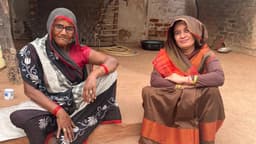
Through his organization, SEARCH, Dr. Bang trained local women, termed Aarogya Doots, to identify critical conditions like pneumonia and neonatal sepsis by simple indicators such as breath count. This empowerment allowed for early, home-based treatment, drastically reducing mortality.
In the early 2000s, the pneumonia-related mortality rate in Gadchiroli fell from 13.5% to 0.8%, and the neonatal mortality rate decreased from 62% to 26%. Some villages even achieved zero mortality rates, showcasing the model's profound effectiveness.
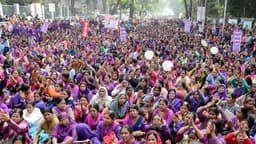
Inspired by the Aarogya Doots, India's ministry of health and family welfare launched the Accredited Social Health Activist (ASHA) worker program. Dr. Bang's innovative approach is now a standard procedure for neonatal care in 80 countries, particularly in regions with limited healthcare access.
Dr. Bang, alongside his wife Dr. Rani Bang, continues to address various health issues in Gadchiroli, including addiction and non-communicable diseases. He urges young doctors to extend their expertise to rural areas where specialized medical facilities are often out of reach.