Home / Health / Women Embrace DIY Peptides for Untreated Health Issues
Women Embrace DIY Peptides for Untreated Health Issues
22 Sep
Summary
- Social media fuels peptide trend, with millions of views.
- Gray-market peptides pose serious health risks like cancer.
- Women seek peptides for issues conventional medicine ignores.
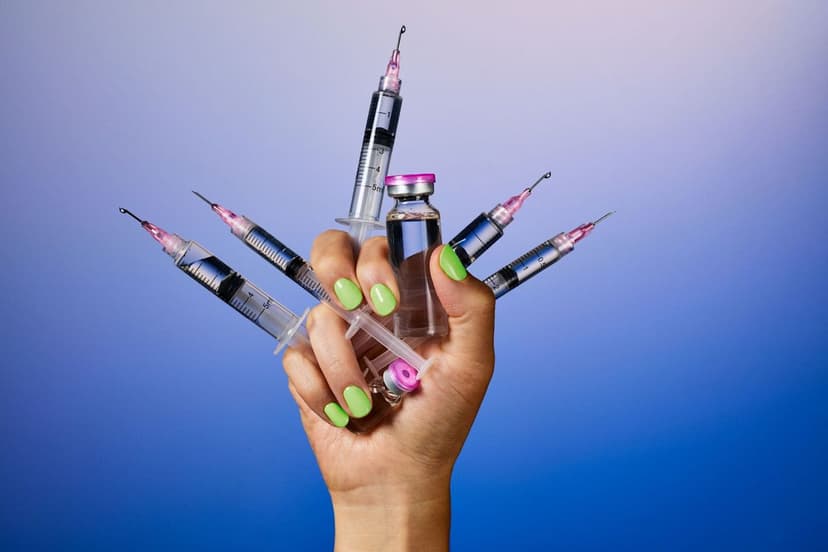
The use of peptides has surged, particularly among women seeking solutions for issues that traditional healthcare systems often overlook. Social media platforms showcase these compounds, with content reaching millions, making them appear accessible. Peptides, often referred to casually as "peps," are synthetic compounds distinct from natural proteins. While some are FDA-approved therapeutics like insulin, many popular on social media, such as BPC-157, GHK-Cu, and TB-500, are unregulated and sold for "research use only."
Many women are drawn to peptides due to frustration with conventional medicine's ineffectiveness for conditions like menopause, PMDD, and chronic pain. They often turn to gray-market sources when faced with limited treatment options or dismissive healthcare providers. This DIY approach, while offering potential relief, carries substantial risks, including bacterial contamination, severe allergic reactions, and potential long-term side effects like cancer, as large-scale clinical data is lacking.
Concerns about the safety and efficacy of these gray-market peptides are significant. Testing has revealed contamination in a notable percentage of samples. Experts caution that self-experimentation without clinical oversight constitutes unsupervised risk-taking. Despite these dangers, the allure of potential solutions for unaddressed health problems, combined with the normalization of injectable medicines through the GLP-1 trend, continues to drive women towards peptide use.


