Home / Health / Digital Heart Twins Revolutionize Arrhythmia Treatment
Digital Heart Twins Revolutionize Arrhythmia Treatment
2 Apr
Summary
- Digital heart twins precisely model patient organs.
- Virtual treatment testing shows improved patient outcomes.
- Technology guides ablation targets, reducing guesswork.
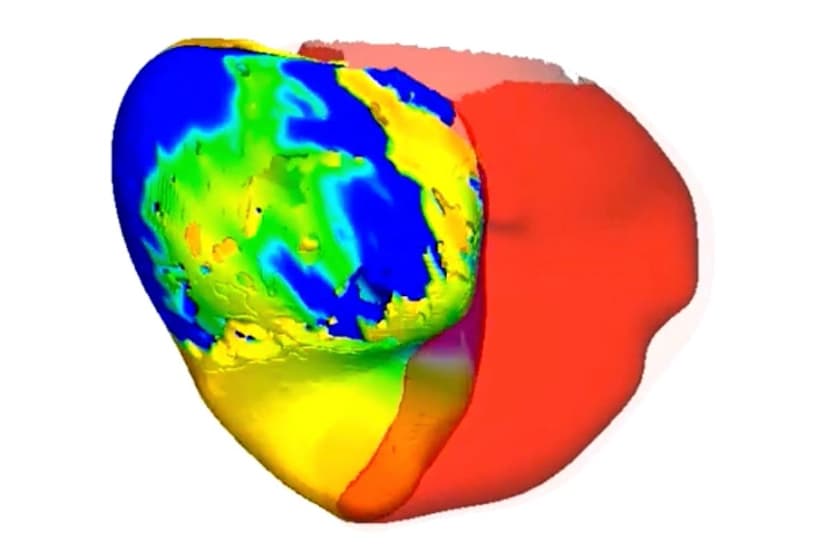
Scientists have created highly accurate virtual replicas, or "digital twins," of patients' diseased hearts. This advanced technology allows for precise simulation of treatments, showing doctors how to best address conditions like ventricular tachycardia, a significant cause of sudden cardiac arrest. This innovative approach was tested in a small clinical trial involving 10 patients at Johns Hopkins University, offering a glimpse into a future where virtual organs guide real-world medical interventions.
The digital twins, developed using advanced MRI scans and patient data, generate interactive models that predict how a heart will respond to various treatments. By "treating the twin first," researchers can identify the most effective ablation targets for arrhythmias. This method involves virtually burning misfiring tissue, potentially improving the success rate and safety of cardiac ablation procedures, which are typically somewhat trial-and-error.
Early results from the study, published in the New England Journal of Medicine, indicate significant success. Over a year later, eight patients treated using digital twin guidance experienced no arrhythmias, and two had only brief episodes. This outcome surpasses the typical 60% success rate for the procedure. Cardiologists hope this technology will lead to shorter, safer, and more effective treatments by precisely targeting critical areas, potentially reducing the amount of tissue burned.


