Home / Health / Dense Breasts: The Hidden Cancer Risk You Need to Know
Dense Breasts: The Hidden Cancer Risk You Need to Know
30 Nov
Summary
- Dense breasts can hide tumors on mammograms, complicating early detection.
- About half of women over 40 have dense breast tissue, increasing risk.
- Ultrasound is a common, accessible screening for dense breast tissue.
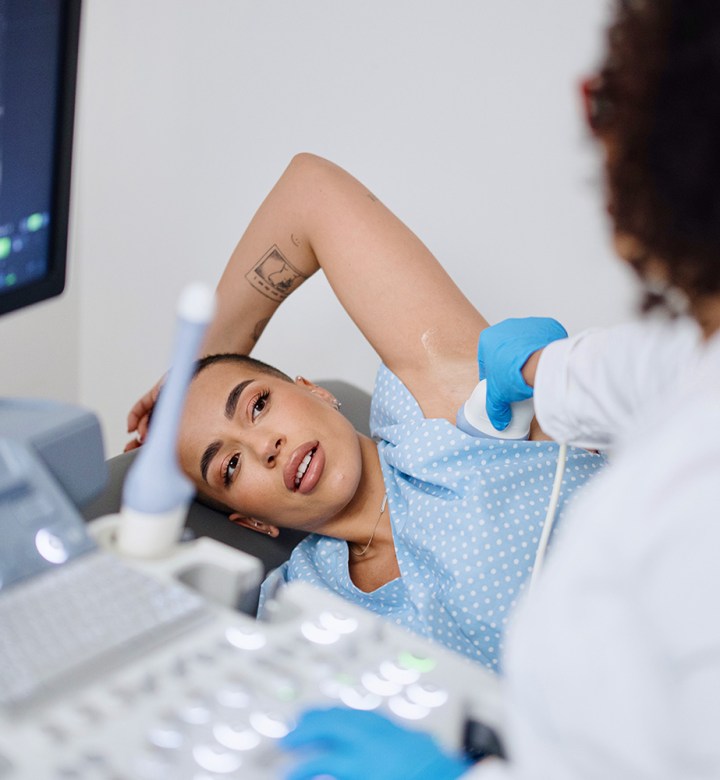
Dense breast tissue, characterized by more fibroglandular tissue than fatty tissue, affects approximately half of women over 40 and is linked to a higher incidence of breast cancer. This density can obscure tumors on mammograms, a phenomenon known as the 'masking effect,' which complicates early detection and necessitates further screening. Understanding one's breast density is therefore crucial for personalized health strategies and proactive management.
While mammograms are standard for screening, they can miss cancers in dense tissue. Supplemental imaging, such as ultrasound, is often recommended for women with dense breasts, offering a more accessible and cost-effective option compared to MRIs. Experts emphasize that knowing your breast density empowers informed decisions and advocacy for appropriate screenings, especially when insurance or healthcare providers may not prioritize further investigation.
Awareness around breast density has been growing, driven by advocacy and technological advancements in imaging. Legislation and patient notification are increasingly highlighting this issue. For women with dense breasts, follow-up screenings beyond a standard mammogram are not optional but essential for catching potential cancers early when they are most treatable, underscoring the importance of proactive health management.