feedzop-word-mark-logo
searchLogin
Feedzop
homeFor YouIndiaIndia
You
bookmarksYour BookmarkshashtagYour Topics
Trending
Terms of UsePrivacy PolicyAboutJobsPartner With Us

© 2026 Advergame Technologies Pvt. Ltd. ("ATPL"). Gamezop ® & Quizzop ® are registered trademarks of ATPL.

Gamezop is a plug-and-play gaming platform that any app or website can integrate to bring casual gaming for its users. Gamezop also operates Quizzop, a quizzing platform, that digital products can add as a trivia section.

Over 5,000 products from more than 70 countries have integrated Gamezop and Quizzop. These include Amazon, Samsung Internet, Snap, Tata Play, AccuWeather, Paytm, Gulf News, and Branch.

Games and trivia increase user engagement significantly within all kinds of apps and websites, besides opening a new stream of advertising revenue. Gamezop and Quizzop take 30 minutes to integrate and can be used for free: both by the products integrating them and end users

Increase ad revenue and engagement on your app / website with games, quizzes, astrology, and cricket content. Visit: business.gamezop.com

Property Code: 5571

Home / Health / Dense Breasts: A Hidden Cancer Risk?

Dense Breasts: A Hidden Cancer Risk?

13 Dec, 2025

•

Summary

  • Dense breasts increase cancer risk and complicate detection.
  • Mammograms are less sensitive in detecting cancer in dense tissue.
  • New regulations inform women about their breast density status.
Dense Breasts: A Hidden Cancer Risk?

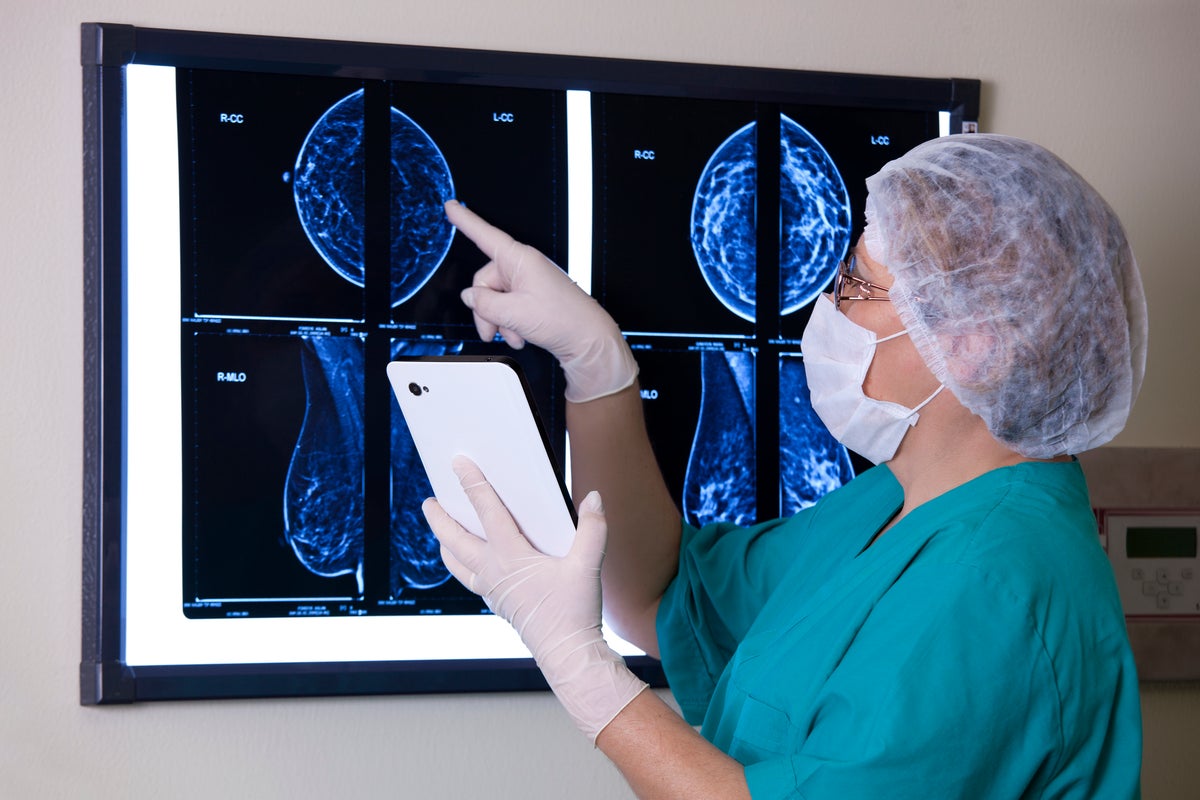
Breast density, a key indicator of breast cancer risk and screening effectiveness, is becoming a focus in women's health awareness. It refers to the composition of breast tissue, where higher proportions of glandular and connective tissue compared to fat are present.

This density poses a dual threat: it is linked to a significantly higher risk of developing breast cancer and also impedes early detection. On mammograms, dense tissue and tumors appear similarly white, potentially masking abnormalities and reducing screening sensitivity. This can result in interval cancers being diagnosed at later stages.

Recognizing these challenges, regulatory bodies are taking action. In the US, new rules mandate that women be informed about their breast density, encouraging proactive discussions with doctors about personalized risk assessments and the potential need for supplemental screening methods like MRI to improve detection rates.

trending

Indigo flight bomb threat

trending

Pakistanis struggle in Big Bash

trending

iPhone 18 Pro details leaked

trending

Bangladesh asks ICC swap groups

trending

Kohli hits 85th hundred

trending

India squad for Australia tour

trending

India vs New Zealand ODI

trending

India vs New Zealand ODI

trending

Bracewell calf injury sidelines

trending

Scorchers win Big Bash League

Disclaimer: This story has been auto-aggregated and auto-summarised by a computer program. This story has not been edited or created by the Feedzop team.
Breast density refers to the ratio of glandular and connective tissue to fatty tissue. Dense breasts appear white on mammograms, similar to tumors, making cancer detection more difficult.
Women with dense breasts have a higher risk of developing breast cancer compared to those with less dense, fatty breasts.
Women with dense breasts should discuss their status with their doctor to explore personalized screening options, potentially including supplemental screening methods.

Read more news on

Healthside-arrow

You may also like

New DNA Test Predicts Breast Cancer Treatment Success

15 mins ago

article image

Risk-Based Screening Catches Cancers Earlier, Study Finds

16 Dec, 2025 • 170 reads

article image

Menopause: Bones Brace for Impact After Estrogen Drops

13 Dec, 2025 • 157 reads

article image

Breast Screening Rates Plummet: Lives at Risk

8 Dec, 2025 • 192 reads

article image

Dense Breast Info Sparks Anxiety, Not Clarity

4 Dec, 2025 • 177 reads