Home / Health / Tiny Containers, Big Threat: Rethinking Dengue Prevention
Tiny Containers, Big Threat: Rethinking Dengue Prevention
16 Oct
Summary
- 2024 saw record 14.6 million dengue cases and 12,000 deaths globally.
- Climate change and urbanization are expanding dengue's geographic reach.
- Prevention must shift focus from adult mosquitoes to breeding sites.
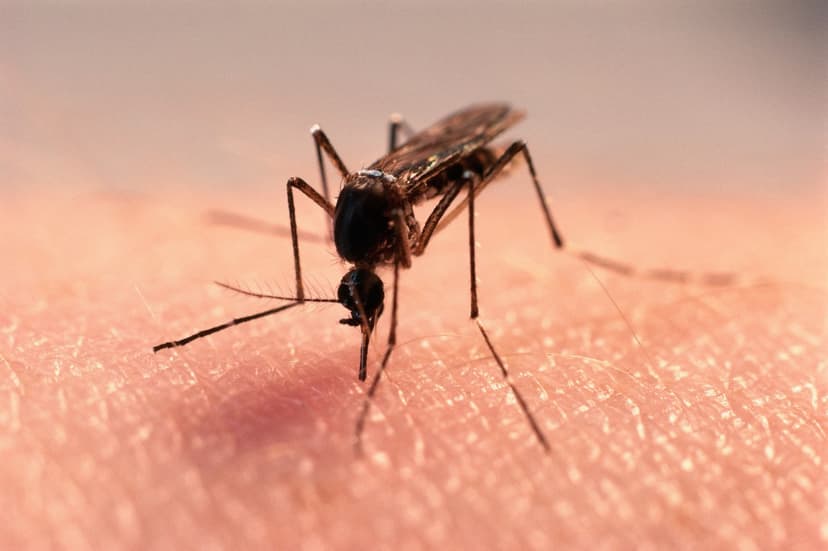
The world faces an escalating dengue crisis, with 2024 marking a record high of over 14.6 million reported cases and more than 12,000 deaths globally. Approximately half of the global population is now at risk.
The effectiveness of current mosquito control strategies is questioned, as they often target adult mosquitoes rather than their breeding grounds. These sites, frequently overlooked, include common items like flowerpots, clogged gutters, and discarded containers.
Climate change is exacerbating the problem by making previously unsuitable areas more hospitable to Aedes mosquitoes, while urbanization concentrates mosquito populations. Warmer temperatures have been linked to a significant increase in dengue incidence.
Preventative measures need to evolve by focusing on earlier stages of the mosquito life cycle. Instead of solely relying on adult mosquito control, interventions should aim to eliminate breeding sites and target larvae when they are most accessible.
Furthermore, the development of pyrethroid resistance in mosquito populations highlights the need for smarter, diversified chemical control strategies. This integrated approach must include surveillance, source reduction, larval and adult control, and significant household participation.
Effective dengue prevention requires a shift in focus to the individual breeding sites in backyards and patios, as public health initiatives cannot reach every potential location. Education and community involvement are crucial to bringing mosquito control closer to the source of reproduction.


