

Home / Health / Beyond Drugs: Could Surgery Clear Dementia Proteins?
Beyond Drugs: Could Surgery Clear Dementia Proteins?
14 Apr
Summary
- Surgery, not drugs, may hold the key to treating dementia.
- A procedure clears toxic proteins linked to cognitive decline.
- Evidence is still emerging, with trials ongoing worldwide.
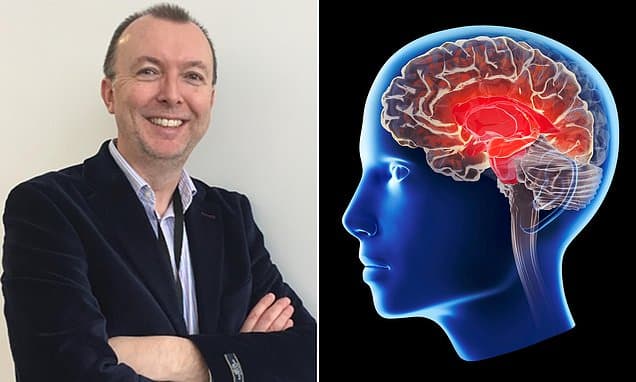
Researchers are exploring a new surgical technique as a potential treatment for dementia, moving beyond traditional drug-based approaches. This procedure, known as lymphaticovenous anastomosis (LVA), aims to clear harmful proteins that accumulate in the brain and contribute to cognitive decline.
The LVA surgery involves connecting a lymphatic vessel, which carries waste fluid from the brain, to a nearby vein. This allows the excess fluid and toxic proteins, such as amyloid plaques, to be drained and flushed out of the body. The principle is similar to that of some new dementia drugs, but the surgical method focuses on physically clearing the waste.
This technique is already used in the NHS for treating lymphoedema, a condition causing limb swelling due to fluid buildup after cancer treatment. While around 2,000 dementia patients have undergone similar procedures, primarily in China, the approach remains controversial. Critics cite a lack of robust evidence on safety and efficacy, and concerns have been raised about the quality of data from early studies.
While some patients have reported significant improvements in memory and daily functioning, experts emphasize that LVA is unlikely to be a cure for dementia. Instead, it may offer a way to slow disease progression. International trials are now underway in Singapore and at Yale University in the US, with results anticipated in the coming years, to rigorously assess the procedure's true potential.
