Home / Health / Risky Meds Still Given to Dementia Patients
Risky Meds Still Given to Dementia Patients
13 Jan
Summary
- Many dementia patients receive risky medications despite warnings.
- Prescriptions for these drugs declined but remain high.
- Over two-thirds lacked documented need in 2021.
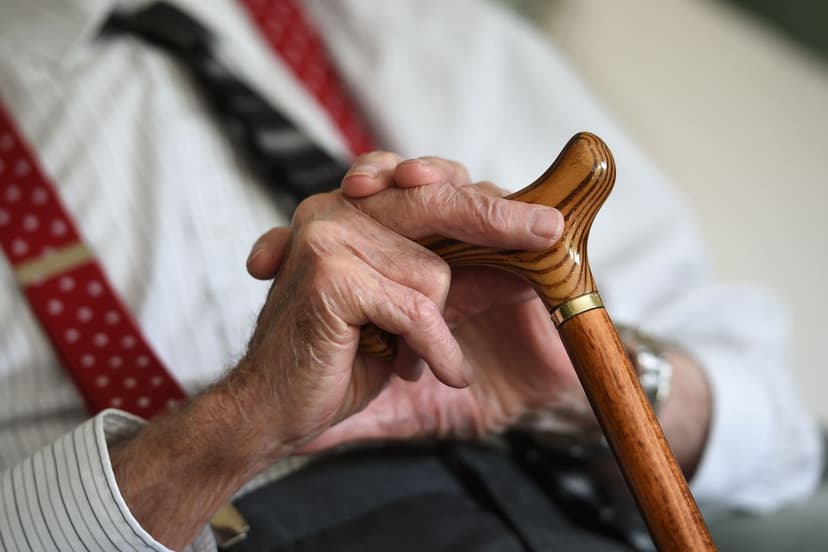
Despite long-standing clinical warnings against central nervous system stimulants for older patients due to risks like delirium and falls, research reveals their continued use in dementia patients across the U.S. A study analyzing Medicare data between 2013 and 2021 found approximately 25% of enrolled dementia patients received at least one "potentially inappropriate" medication, including antipsychotics and certain antidepressants.
Although prescriptions saw a decline from roughly 20% to 16% over the study period, they remained higher for patients with cognitive impairment as of 2021. Researchers noted that over two-thirds of patients receiving these drugs lacked a documented clinical indication in 2021, suggesting a high rate of potentially harmful prescribing, especially for individuals with heightened vulnerability to adverse effects.
The study, which included data from the Health and Retirement Study and was extrapolated to the U.S. population, did not account for Medicare Advantage plans. Scientists acknowledged that doctors might have prescribed these medications as a "least worst" option for dementia symptoms often underreported in Medicare claims, underscoring complex challenges in optimizing care quality and safety for millions of older Americans.