Home / Health / Delhi's Tap Water: A Ticking Health Time Bomb?
Delhi's Tap Water: A Ticking Health Time Bomb?
10 Mar
Summary
- Contaminated tap water in Delhi found with E. coli and coliform bacteria.
- Tens of thousands of waterborne disease cases reported annually.
- Poor sanitation and aging infrastructure contribute to contamination risks.
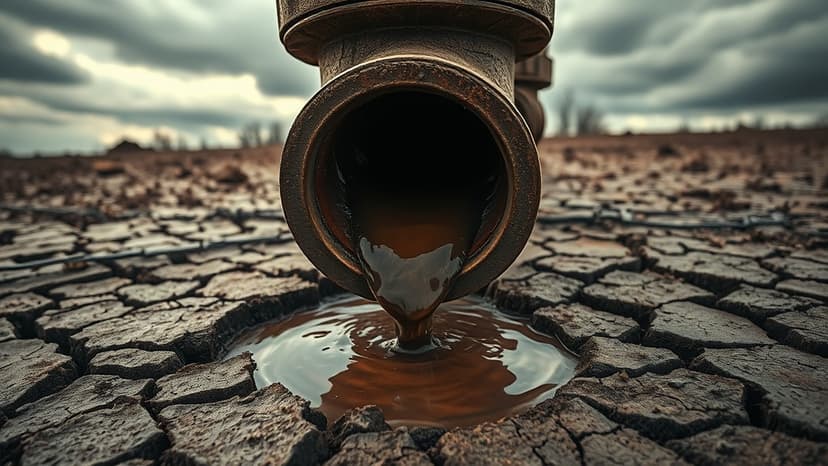
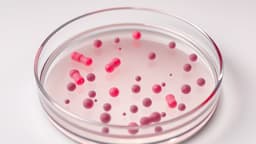
Health experts in Delhi are sounding the alarm about the severe health risks posed by contaminated drinking water, especially for children and the elderly. Recent investigations confirmed bacterial contamination, including E. coli, in several tap water samples collected across the capital. This contamination directly correlates with a significant increase in waterborne diseases.
Official data from the Integrated Disease Surveillance Programme reveals tens of thousands of waterborne disease cases annually in Delhi between 2021 and 2025. Acute diarrhoeal diseases, hepatitis A and E, and typhoid have shown sharp rises. In 2024 alone, the city recorded over 43,000 cases of acute diarrhoeal disease and significant numbers for hepatitis and typhoid, with cholera cases also rising sharply.
Doctors attribute these recurring outbreaks to systemic issues in water and sanitation infrastructure. Leaking water pipelines often run near sewage drains, allowing contamination when sewage seeps into drinking water lines. Low-income neighborhoods and older parts of the city are particularly vulnerable due to aging pipelines and poor drainage, leading to localized outbreaks.
Environmental conditions like stagnant water and uncovered drains further exacerbate the spread of infections. Paediatricians emphasize the rapid deterioration possible in children due to dehydration, stressing the critical need for early medical care and preventive measures such as boiling water and vaccination against typhoid. The situation highlights a breach in water safety, transforming manageable microbial presence into a compounding crisis.